
Exports
The United States produces more oil and gas than it needs, so fossil fuel billionaires sell and export the extra oil and gas to other countries to make more money.
Export terminals are constantly operating, making loud noises and lighting up the night sky with flares. More traffic increases accidents. Acres of sensitive wetlands and marshes are cleared. Sandy beaches are threatened by pipelines. Export terminals explode, with no warning.
The largest buildout of fossil fuels in the world is taking place on the Gulf Coast, because of exports.
-
Indigenous Impacts
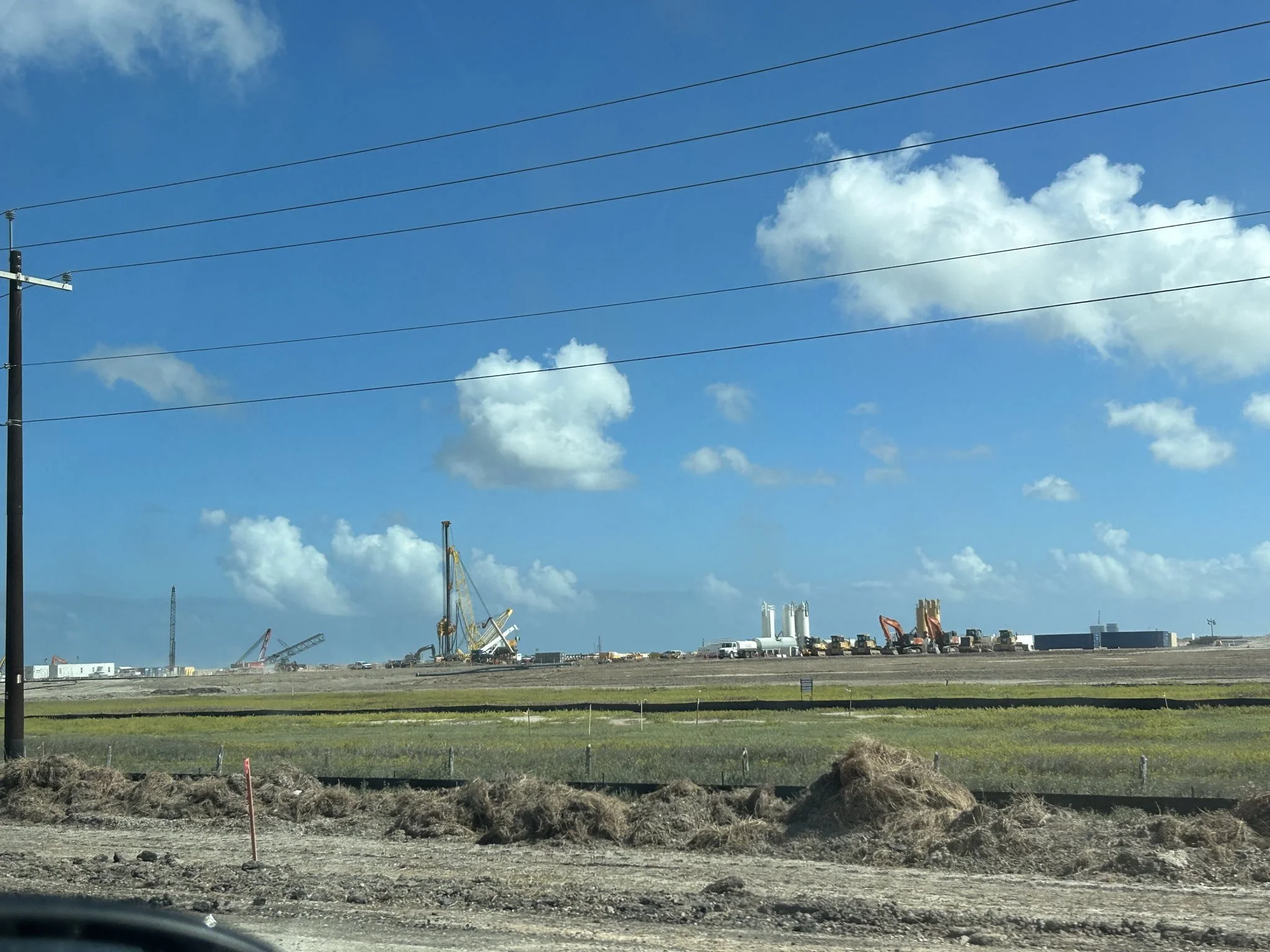
Fossil fuel exporters and their supporters are complicit in the ongoing forced removal and genocide of Indigenous Peoples. LNG companies build their facilities on land that is sacred to the original peoples of this land, potentially clearing sites such as burial grounds. When evaluating the potential impact of a new or expanding operation the government is only required to consult with Tribes that are federally recognized, preventing other Tribes and Indigenous voices from being consulted. Oftentimes, even if Tribes do not consent to project proposals, decision-makers do not genuinely consider the input, and the project still proceeds.
-
Environmental Justice Impacts
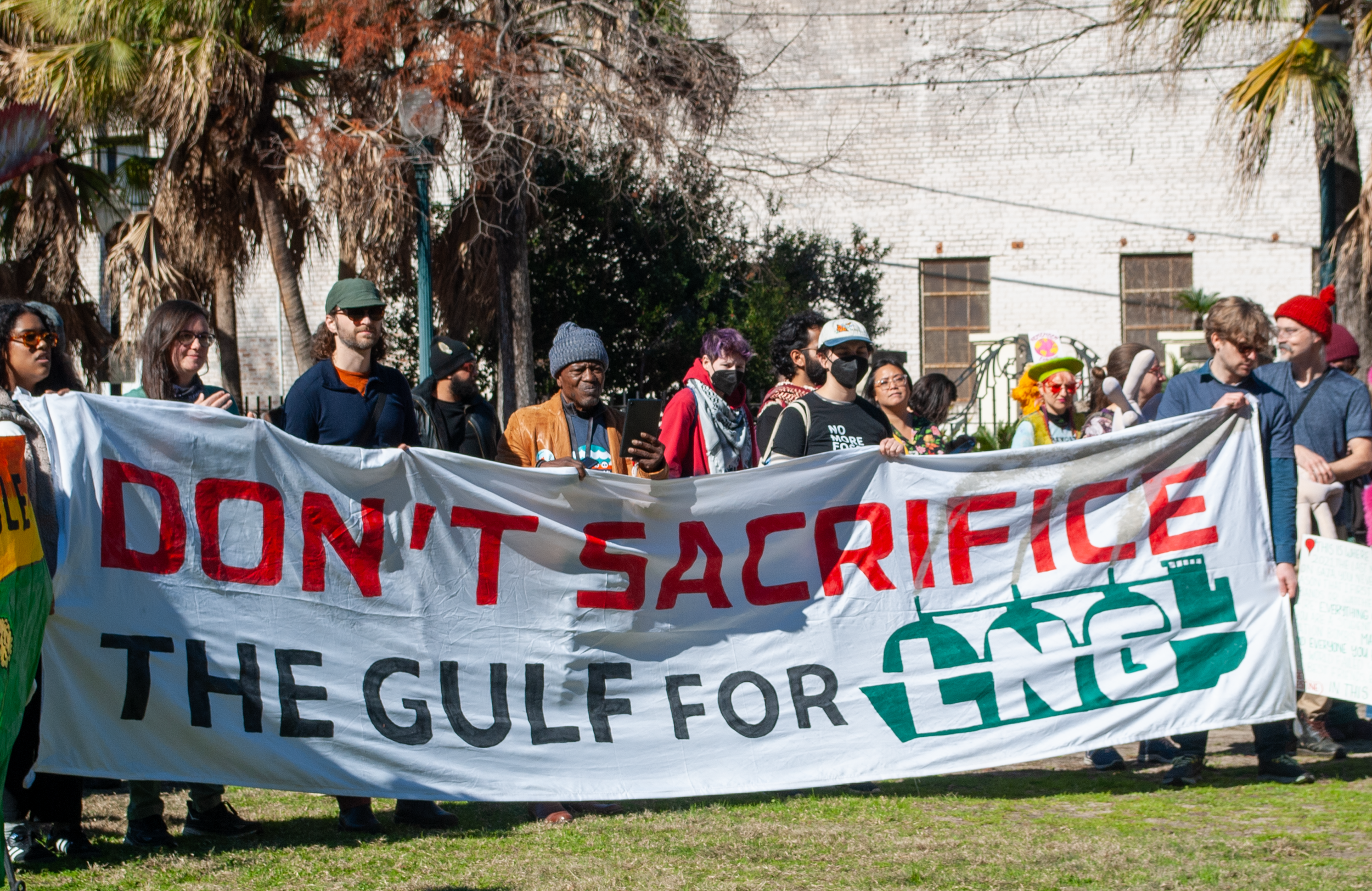
Communities on the frontlines of oil and gas exports have long been urging governments, lawmakers, politicians, banks and insurers to stop sacrificing their homes and their health just so the fossil fuel industry can make more money. Export terminals in Texas and Louisiana are intentionally located in communities of color and low-income communities, which already have higher rates of health problems because of industrial pollution. The export industry promises to provide residents good-paying jobs and invest in the community, but there is little to no evidence of this as workers from out of town get the jobs and residents are still rebuilding after they lost everything to multiple hurricanes. Fishers, shrimpers and oystermen are being forced to leave in search of other opportunities because LNG activity is reducing their catch and their ability to make money. Exporters are making the Gulf Coast unlivable. No one is holding them accountable except the people who have built their homes and their lives here.
-
Health and Safety Impacts
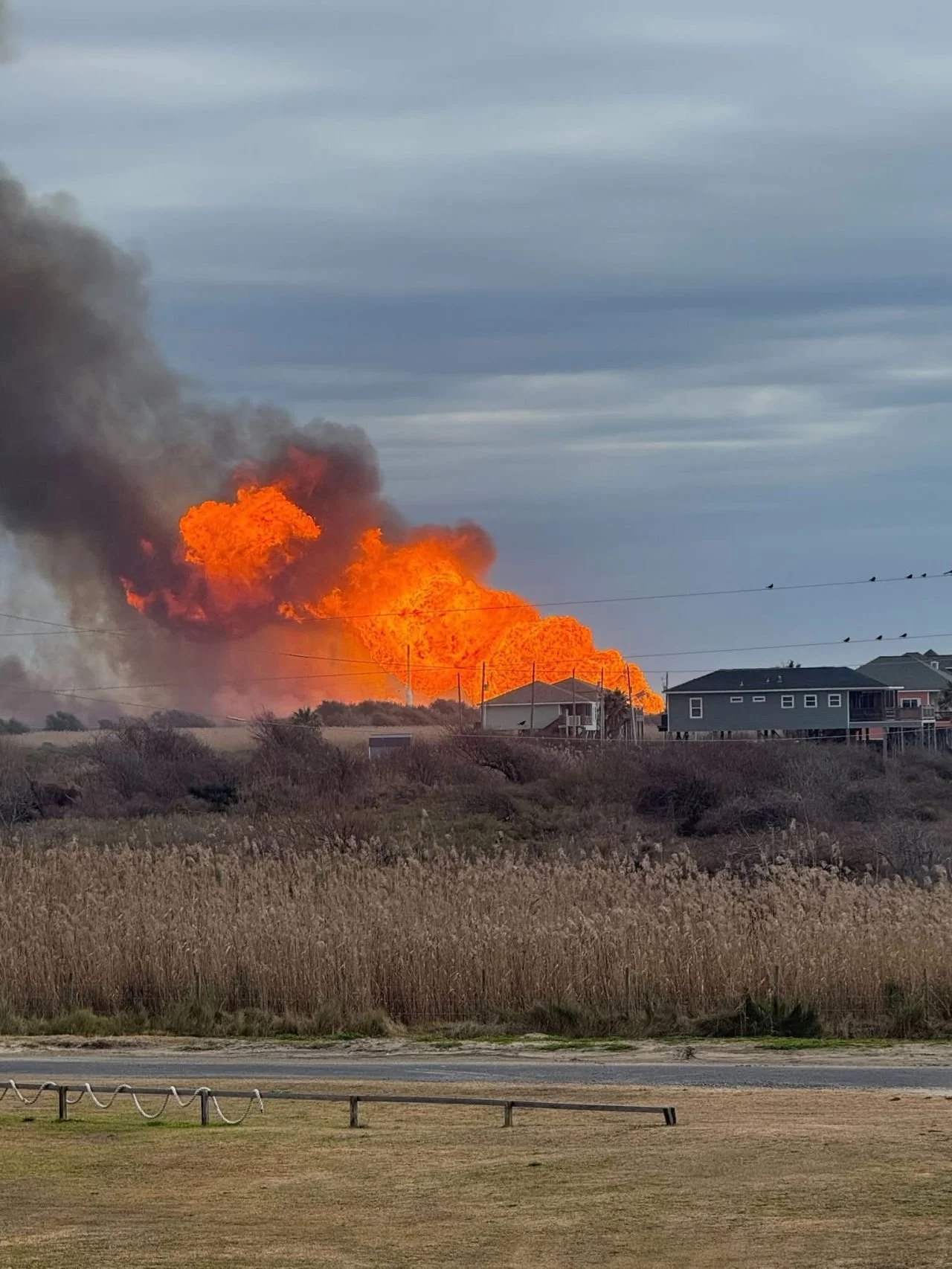
Export facilities release pollutants that are harmful to human health, particularly for those living nearby. Gulf Coast residents frequently report headaches, breathing problems, and nausea. Children develop breathing problems like asthma and can’t play outside. Export facilities operate 24/7, causing loud, continuous noise, bright lights, and flaring that illuminates the sky at night, disrupting sleep. Exporters habitually break air pollution laws, with little to no accountability from state regulators. There have been several explosions related to LNG in the past few years that have shot fireballs high into the air that burn for hours, shaking homes and ordering schools to shelter-in-place. In the aftermath, residents have asked companies for their emergency response plans and what they will do to prevent incidents from happening in the future. These requests often go ignored, and “business goes on as usual” as if nothing happened. Residents are left anticipating when the next one will occur. Photo by Vessel Project of Louisiana.
-
Climate Impacts
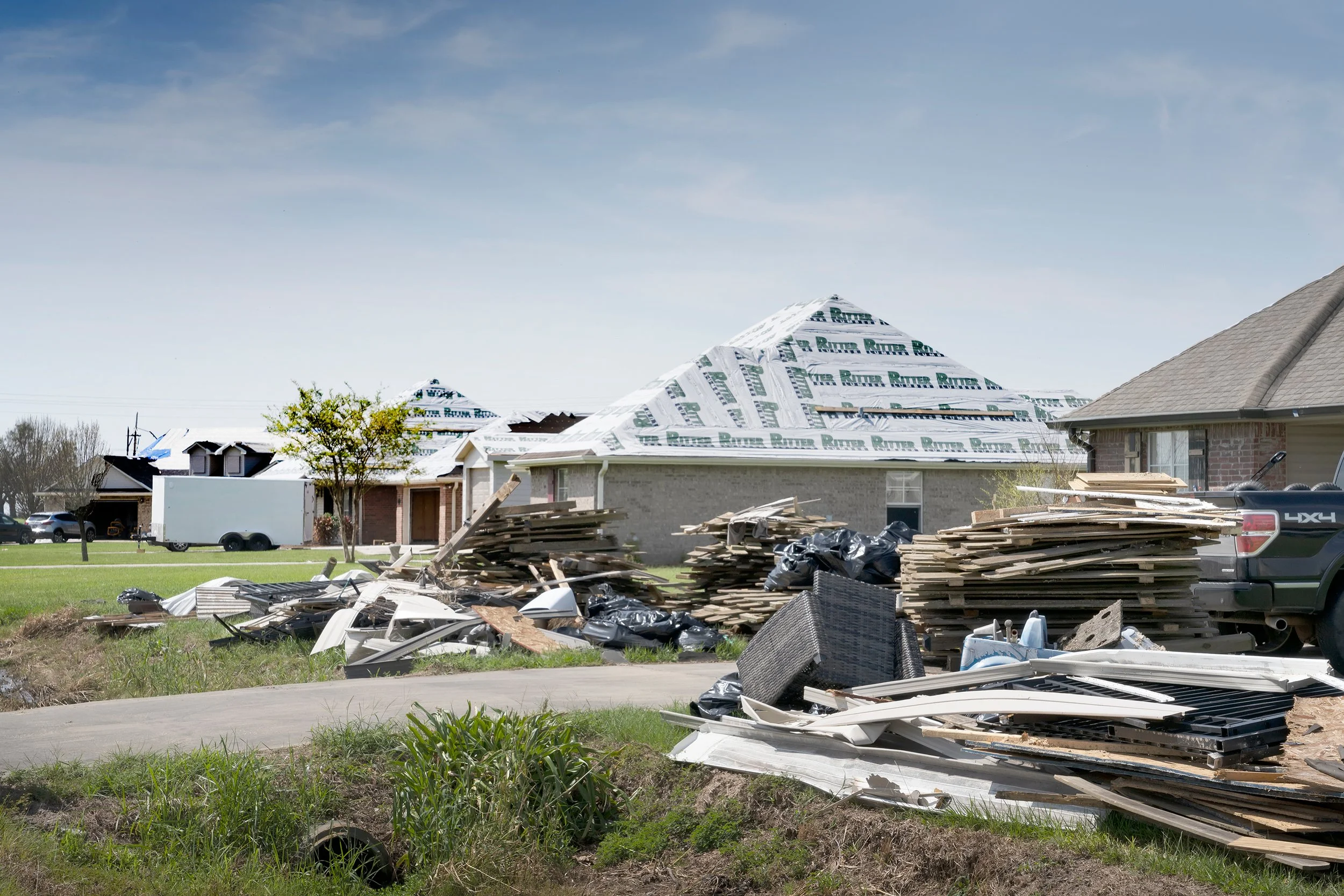
Contrary to what the fossil fuel industry says in their greenwashing campaigns, liquified “natural” gas (LNG) is not a clean energy source and is worse for the climate than coal. LNG is a fossil fuel mostly made of methane, which traps approximately 85 times as much heat as carbon dioxide in the first 20 years after it is emitted. All of the infrastructure used to export oil and LNG from the Permian Basin to the Gulf Coast emits greenhouse gases, including methane, worsening the climate crisis. Communities in Texas and Louisiana have been devastated by hurricanes and climate-fueled storms. Exporters promise to invest in the communities they operate in, but residents are still rebuilding from losing everything because of storms. Because export facilities are located in the path of hurricanes, they are also vulnerable to intensifying weather events. There are myriad pollution events from the fossil fuel industry before, during and after storms. When export facilities shut down due to oncoming storms, they impact gas demand and local gas prices.
-
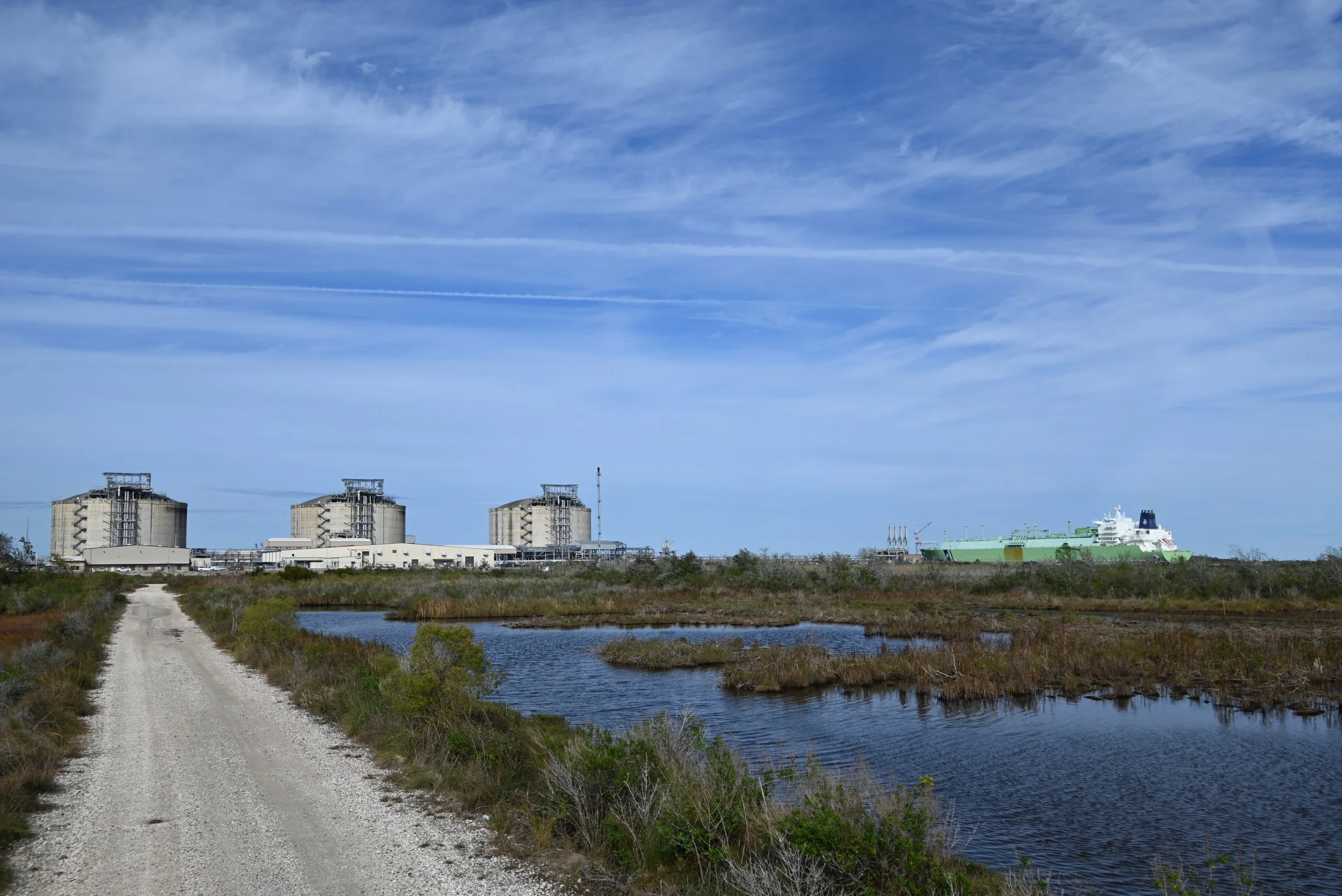
Environmental Impacts
Export facilities are destroying important ecosystems that provide natural protection, tourism and recreational opportunities to Gulf Coast communities. Beaches, birding, fishing, kayaking and boating are threatened by current and expanding export facilities. There is constant noise, light, air and water pollution from onshore and offshore terminals, pipelines, trucks, marine vessels, cargo handling equipment, refineries and storage facilities. Coastal wetlands and other ecosystems that provide natural protection to coastal communities from flooding, sea-level rise, erosion and other threats that are worsened by oil and gas activity are being destroyed. LNG export terminals devastate the habitat sea life depends on, leaving fishermen unable to rely on marine environments to feed their families and communities as they have for generations. To make way for new terminals and larger tankers, LNG companies dump debris and mud into marshes where baby crabs, shrimp, and fish grow until they migrate to bigger waters. If LNG companies continue filling these marshes with mud, there’s not going to be any habitat left.
-
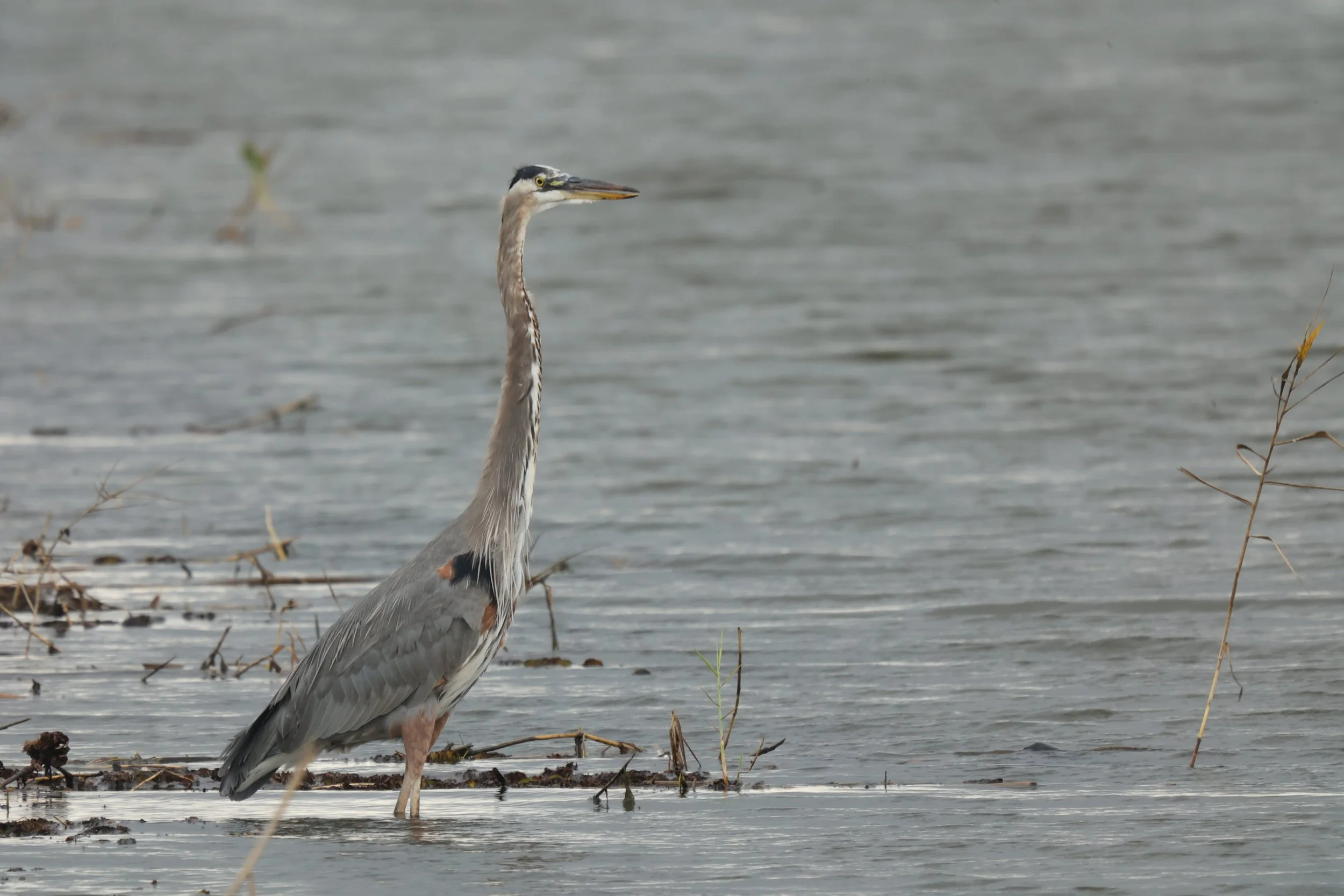
Wildlife Impacts
Current, new and expanding export facilities pose significant threats to the incredibly diverse wildlife that inhabit the coasts of Texas and Louisiana. This includes many plant and animal species that are legally protected under the Endangered Species Act and Marine Mammal Protection Act, such as Rice's whales, sea turtles, giant Manta rays, queen conches, piping plovers, ocelots and Texas ayenias. Constant air, water, noise and light pollution disturbs habitat and breeding/migrations patterns. Ships run over marine animals and introduce non-native marine species. Underwater noise pollution from construction can cause permanent hearing loss. Export facilities are not located far from established National Wildlife Refuges, which are supposed to protect iconic species and provide wildlife viewing opportunities. The emissions from all export infrastructure – pipelines, storage tanks, liquefaction facilities, etc. – worsens the climate crisis which is driving species around the world toward extinction.
Members Working on Exports










Other Issues That Matter
-
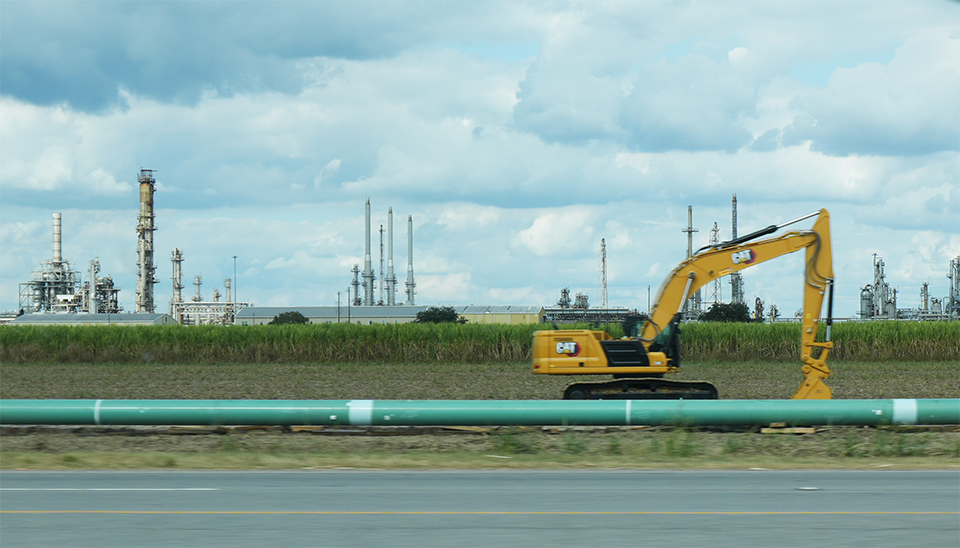
False Solutions
The Permian Basin and Gulf Coast are major hubs for false solutions because of their existing infrastructure.
-
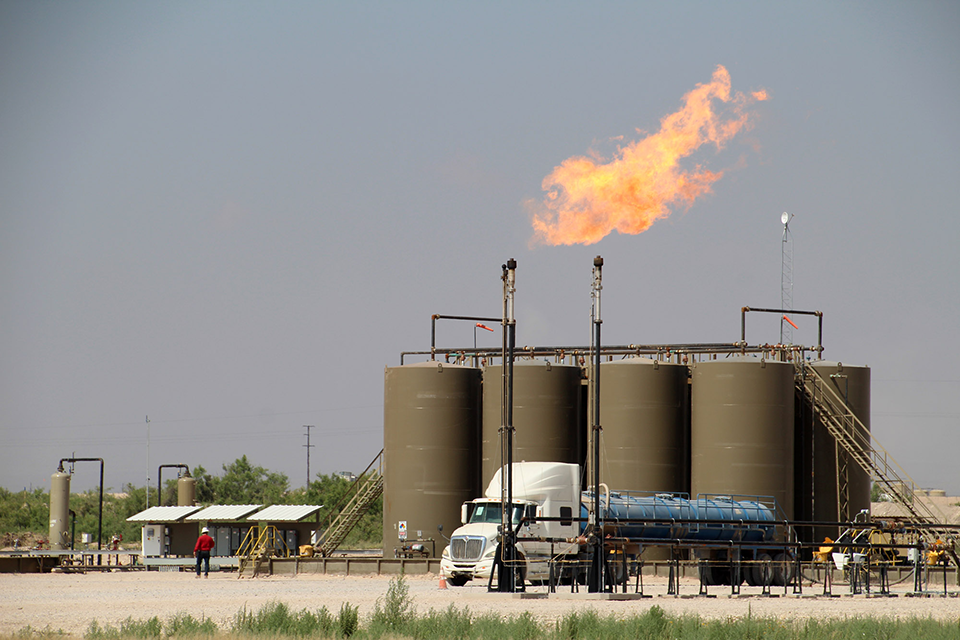
Extraction
In the Permian Basin oilfield, companies are planning more extraction than ever before.
-
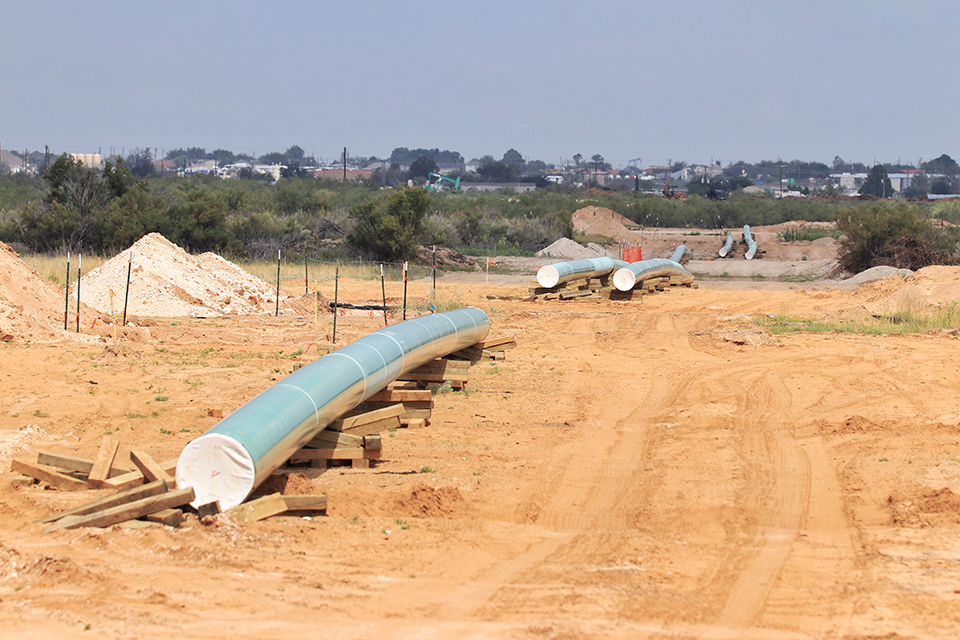
Pipelines
The Permian Basin could see a significant expansion of pipelines aimed at carrying gas to the Gulf Coast for export.
-
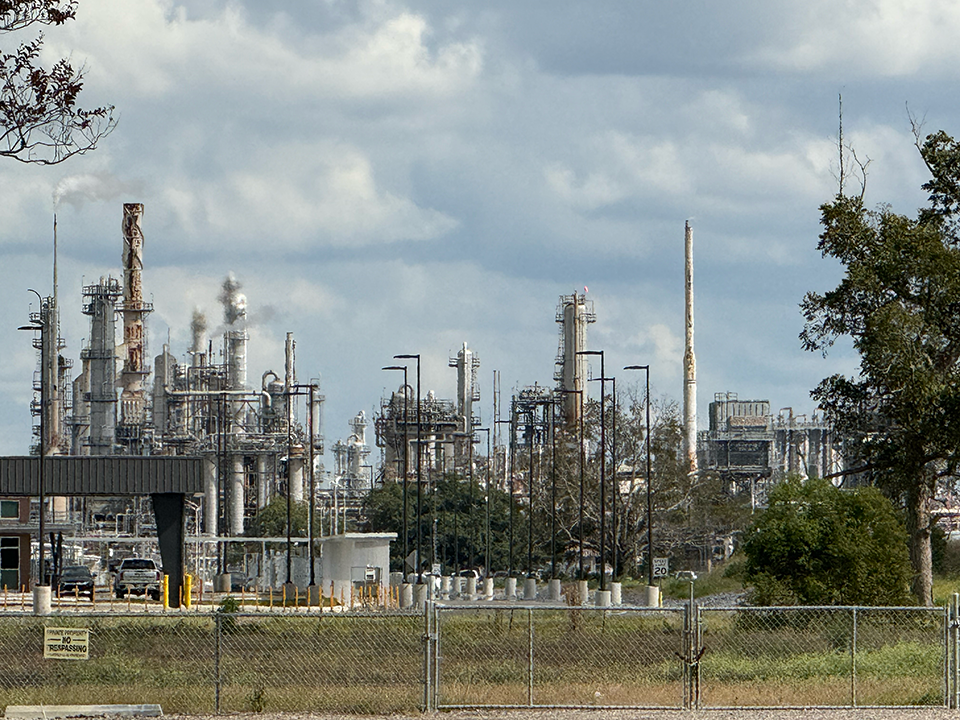
Petrochemicals
An increased availability of petrochemicals from the Permian Basin is driving a massive wave of new facilities on the Gulf Coast.