
Extraction
Extraction is the process of removing oil and gas from oilfields.
Giant drilling machines operate around the clock. Roaring flares light up night skies. Heavy truck traffic causes more accidents. Constant pollution degrades local air quality.
In the Permian Basin oilfields, companies are planning more extraction than ever before. Production is projected to grow 50% from 2021 to 2030.
If left unchecked, New Mexico and Texas could continue to produce huge amounts of oil, gas, and gas liquids for decades to come, intensifying the burden extraction has on the people, plants, and animals who call the Permian Basin home.
-
Indigenous Impacts
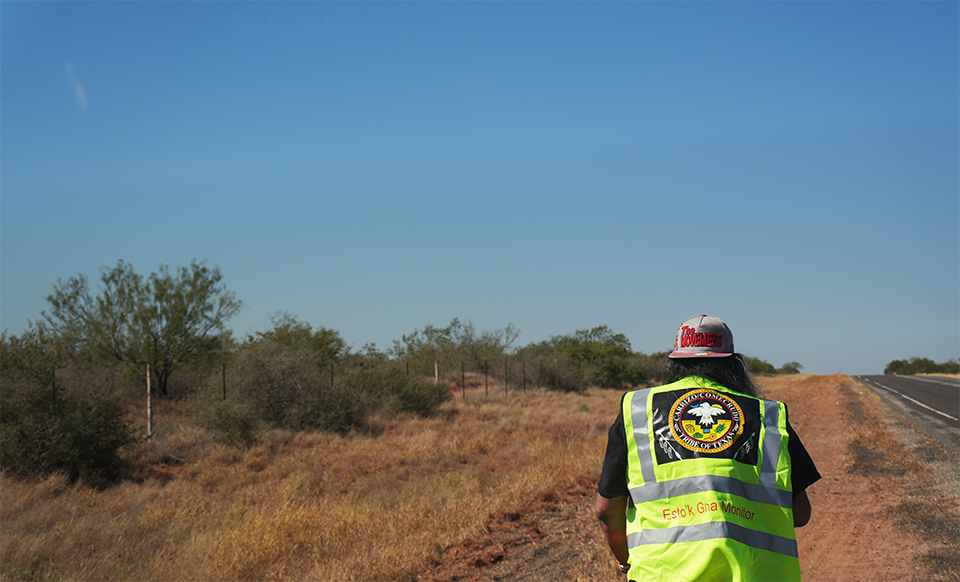
The Permian Basin is the ancestral homeland of nearly 30 Native American tribes who continue to live in the area and maintain cultural and historical connections to the land today. Extracting oil and gas involves clearing land, which destroys sacred and cultural sites such as burial grounds, ceremonial sites, and ancestral landscapes. Even when sites are not physically destroyed, industrial presence strips them of spiritual meaning and represents a profound loss of identity, history, and sovereignty. Temporary housing for predominantly male workers in extractive industries, known as “man camps,” brings violence and localizes violent crime in places where it would not otherwise be, most notably a significant increase in violence against Indigenous women and girls. Current legal systems leave Indigenous communities vulnerable to this clear threat.
-
Environmental Justice Impacts
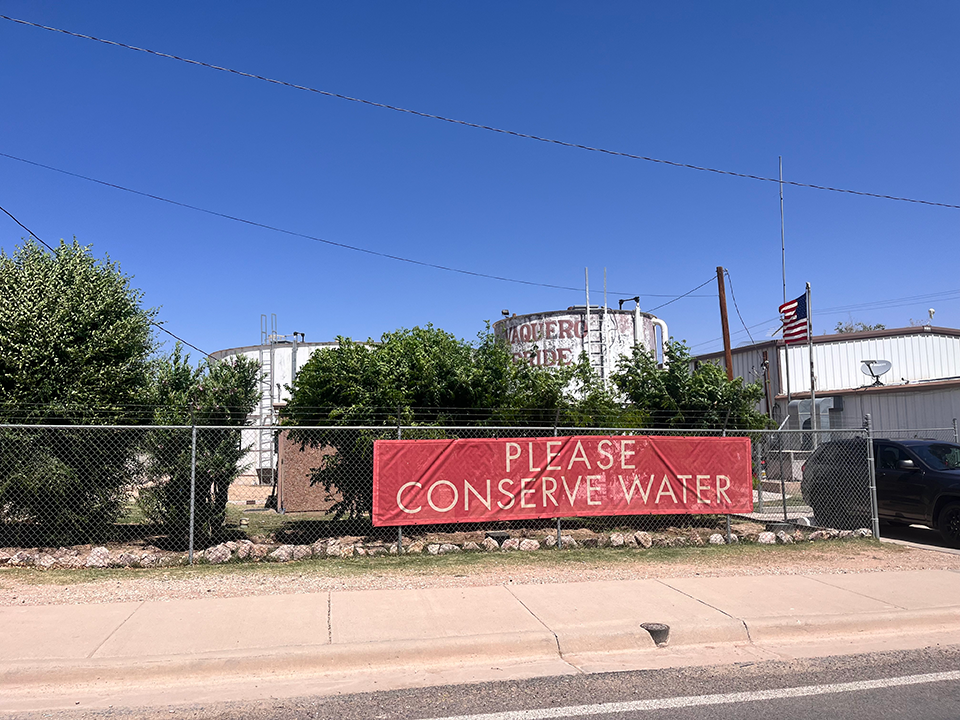
Most fracking wells in the Permian Basin are located near Black and Hispanic communities. Many of these communities are rural, and live further away from hospitals and emergency responders. Extraction contributes to water scarcity and the worsening of climate crisis impacts, creating a cycle of harm that these communities are least equipped to handle due to systemic inequities. The excess emissions further drive the climate crisis and increase air pollution, forcing rural communities into a cycle of harm that they did not cause.
-
Health and Safety Impacts
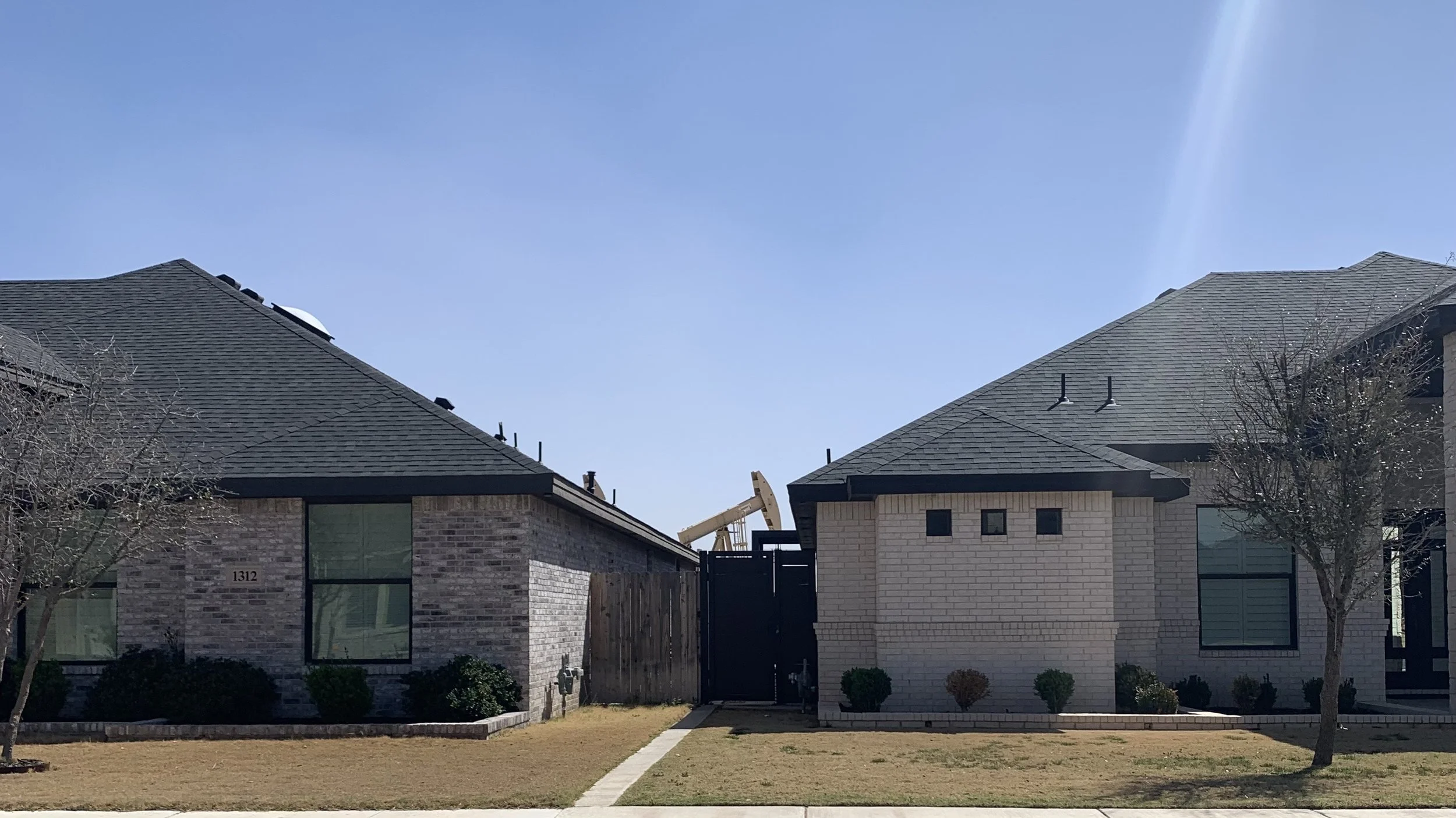
When wells that extract oil and gas are drilled next to homes and schools in New Mexico and Texas, people and children feel the ground shake. They begin to get headaches and nose bleeds. The air smells like rotten eggs, and they can’t keep the air condition on if they want to breathe. Their water becomes contaminated and they can’t shower, water their crops or take care of their farm animals. Pollution from oil and gas extraction leaves towns with some of the worst air quality in the nation. These pollutants are flammable and volatile, capable of causing explosions. Incidents like chemical leaks, fire, and explosions happen frequently near neighborhoods, businesses, and schools. Despite this, the oil and gas industry is almost untouched by environmental regulation in New Mexico and Texas. We have been demanding greater pollution controls and actual enforcement of regulations. Photo credit: Texas Permian Future Generations
-
Climate Impacts
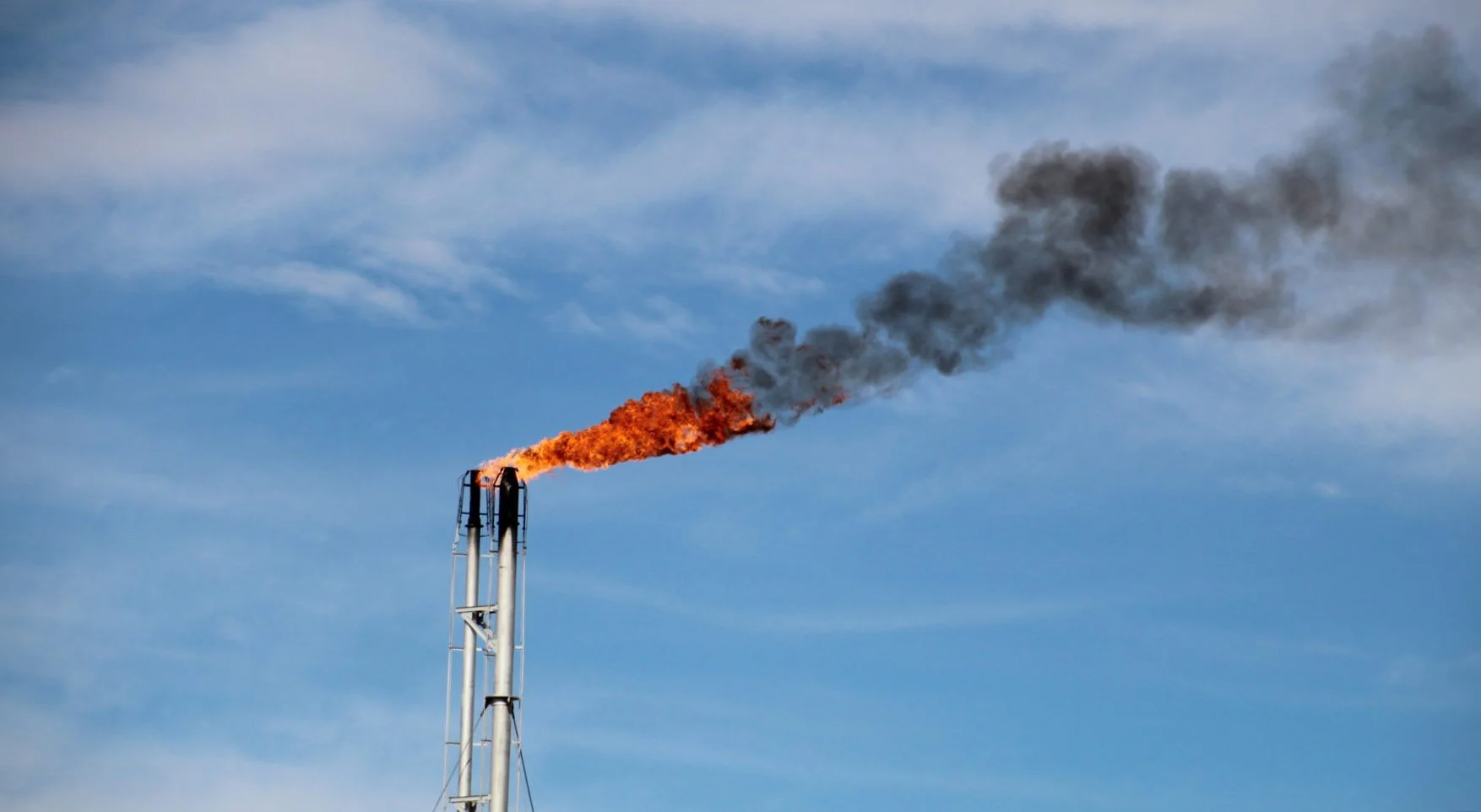
Oil and gas extraction in the Permian Basin is a major driver of the global climate crisis. Operators release large amounts of carbon dioxide, methane and other greenhouse gases into the atmosphere, both during the extraction process and when the fuels are burned. These emissions trap heat, contributing to rising temperatures, extreme weather and environmental disruption both locally and globally. Methane leaks from wells, pipelines and equipment, along with routine flaring of excess gas, significantly increase warming. Decades of enforcement failure and insufficient environmental standards have enabled oil and gas operations in the Permian Basin to become some of the dirtiest in the world. Despite intensifying heatwaves, drought, wildfires and floods, the Permian Basin is projected to grow 50% from 2021 to 2030. If the world is serious about combating climate change, the Permian Basin’s impact on the climate can no longer be ignored.
-
Environmental Impacts
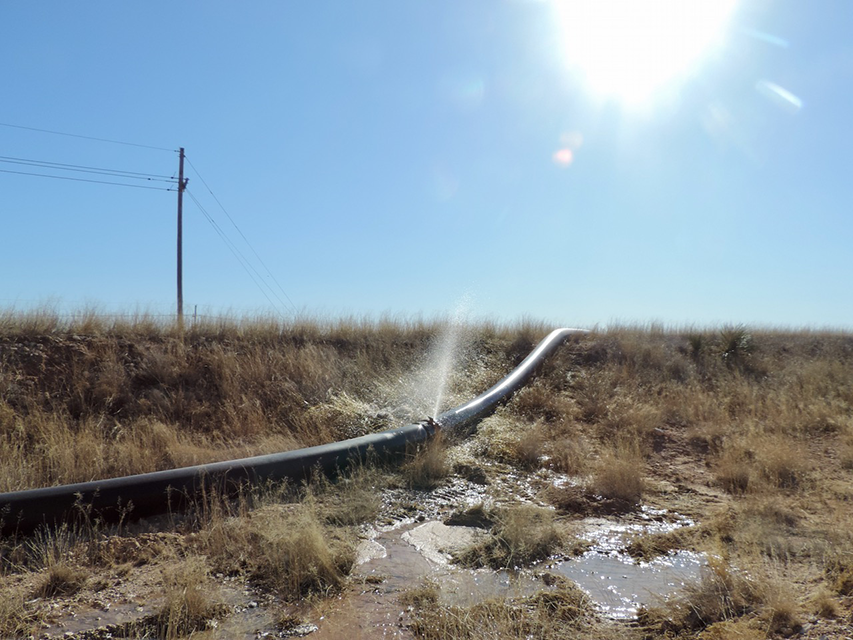
Drilling in the Permian Basin is destroying and threatening an environment already under stress. The industry consumes massive amounts of scarce water: in 2016, a single well in the Permian Basin required more than 11 million gallons of water per day. Wells produce billions of gallons of toxic wastewater that can spill, leak or be injected underground, increasing the risk of groundwater contamination and earthquakes. The climate crisis has intensified droughts and caused record-breaking heatwaves in the region. Seasonal rains have slowed, and drought-resistant cacti are dying off. The region is also experiencing less snow in the mountains, which is supposed to recharge some of the aquifers. Extreme temperatures can cause extraction equipment to fail, forcing operators to vent millions of pounds of methane and other toxins into the air. Photo credit: WildEarth Guardians.
-
Wildlife Impacts
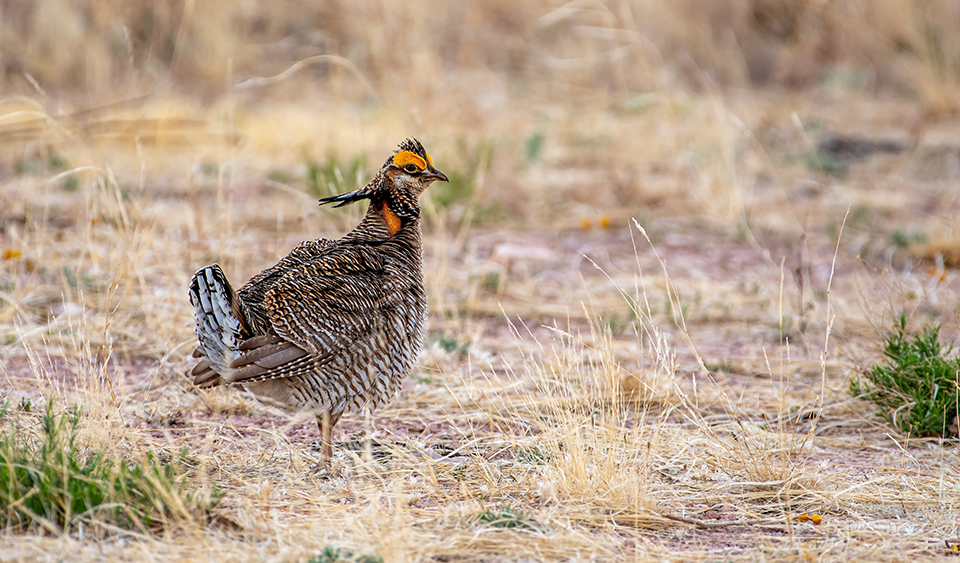
The Permian Basin is home to incredible desert wildlife, including three of the United States' most endangered animals: the lesser prairie chickens, dunes sagebrush lizards, and freshwater mussels called Texas hornshells. The rapid expansion of wells, roads, pipelines, and other oil and gas infrastructure in the region has pushed all three to the brink of extinction. Oil and gas companies claim they are repairing habitat and participating in conservation efforts, but vital habitat continues to be destroyed. Additionally, pollution from oil and gas activity worsens the global climate crisis, thus increasing harm to the wide array of protected species that are particularly vulnerable to global heating.
Members Working on Extraction




Other Issues That Matter
-
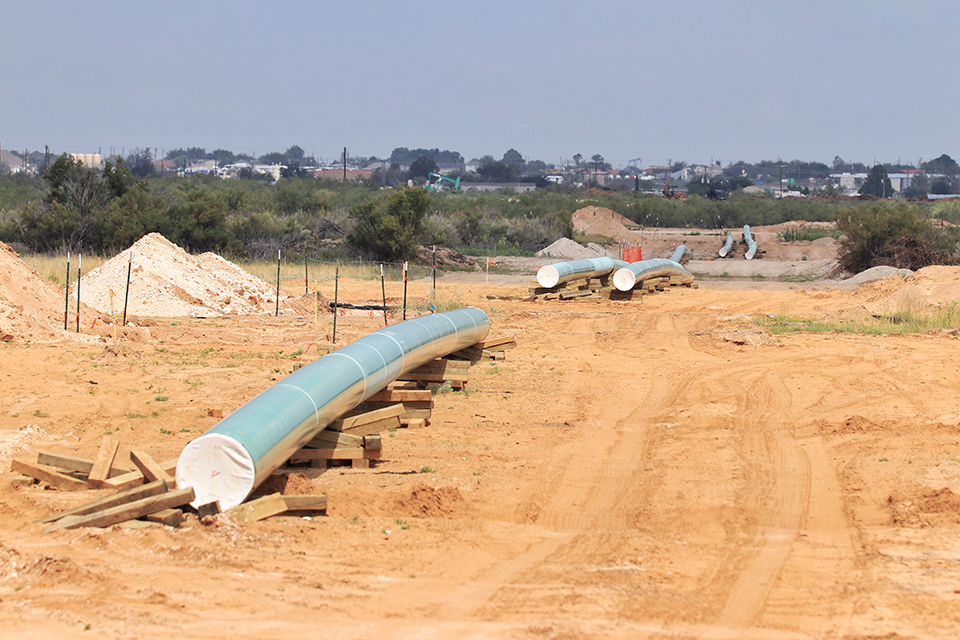
Pipelines
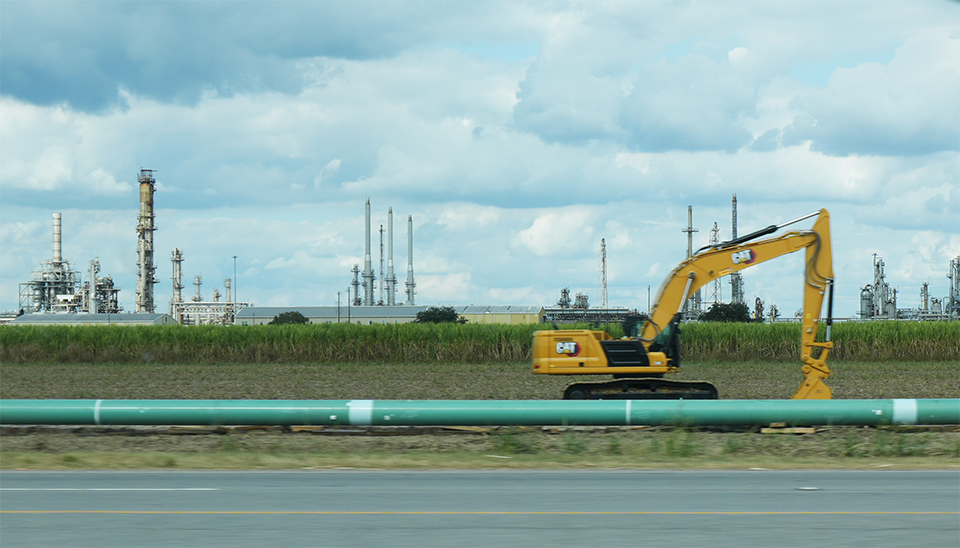
The Permian Basin could see a significant expansion of pipelines aimed at carrying gas to the Gulf Coast for export.
-
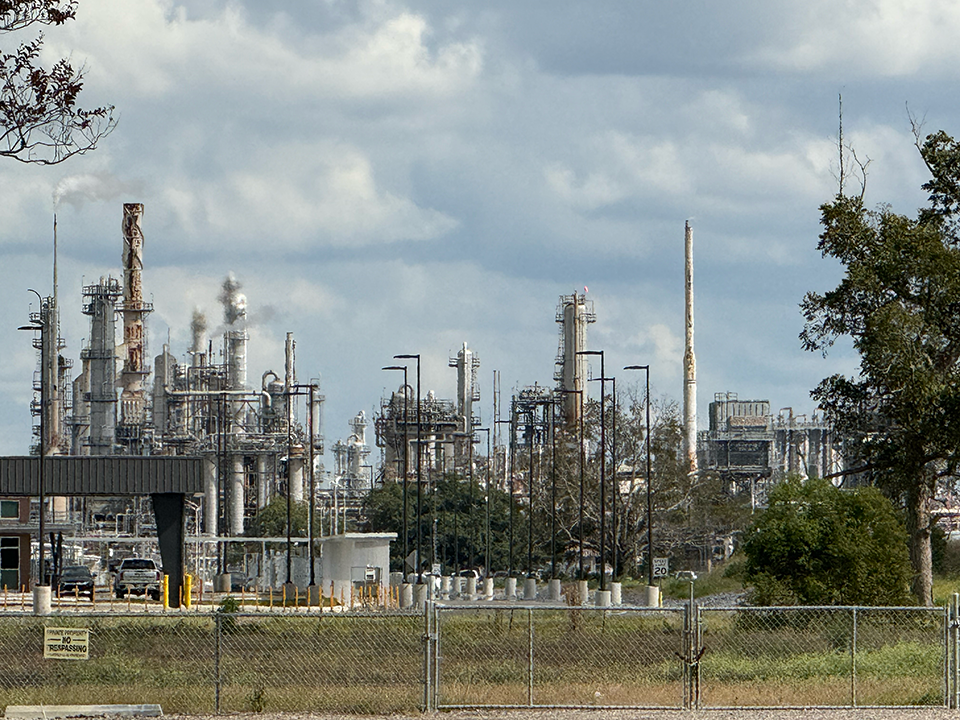
Petrochemicals
An increased availability of petrochemicals from the Permian Basin is driving a massive wave of new facilities on the Gulf Coast.
-
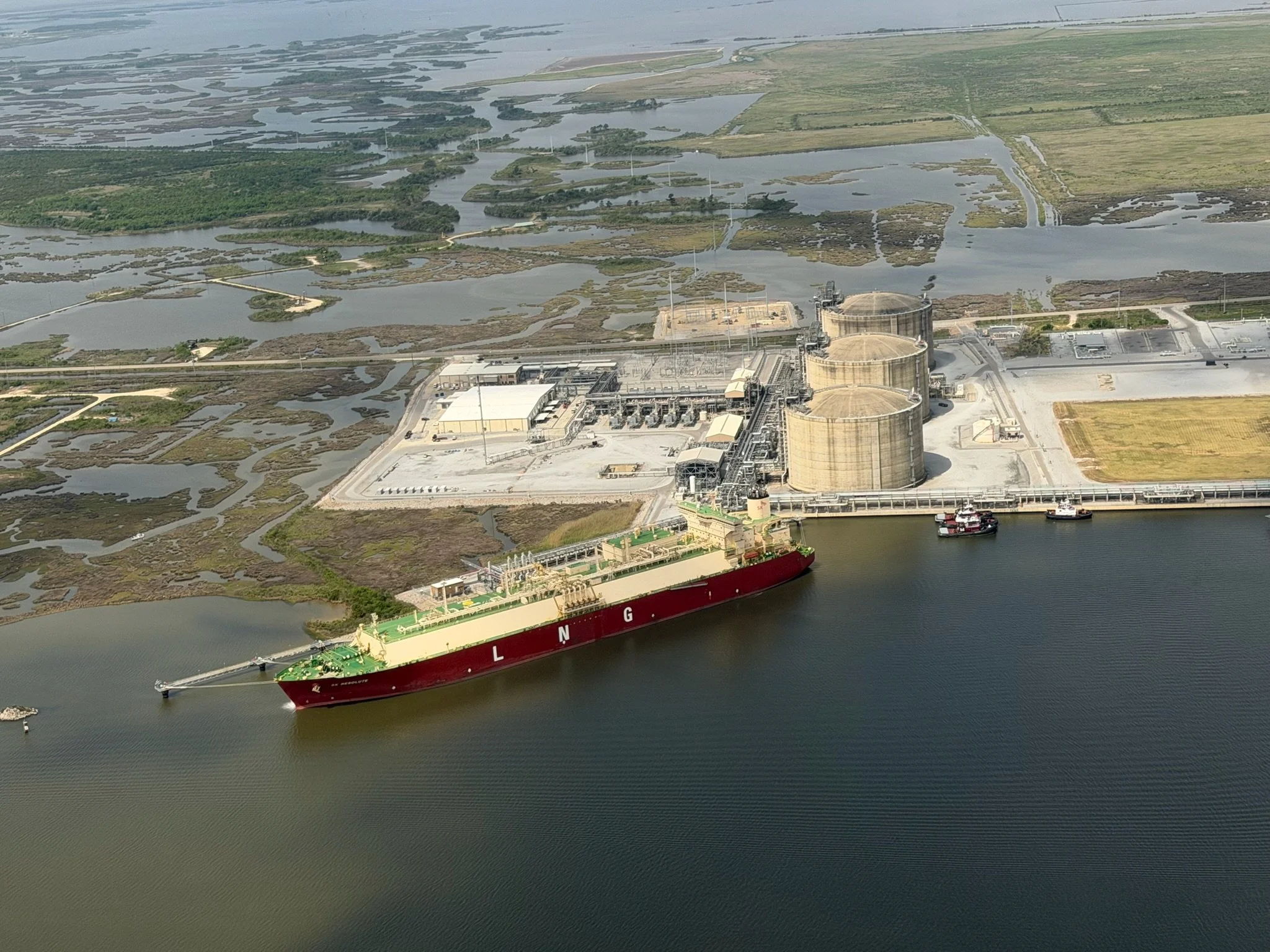
Exports
The largest buildout of fossil fuels in the world is taking place on the Gulf Coast, through exports.
-
False Solutions
The Permian Basin and Gulf Coast are major hubs for false solutions because of their existing infrastructure.