
Pipelines
Pipelines are used to move oil and gas from where it is taken out of the ground to its destination. They are everywhere in the Permian Basin and Gulf Coast.
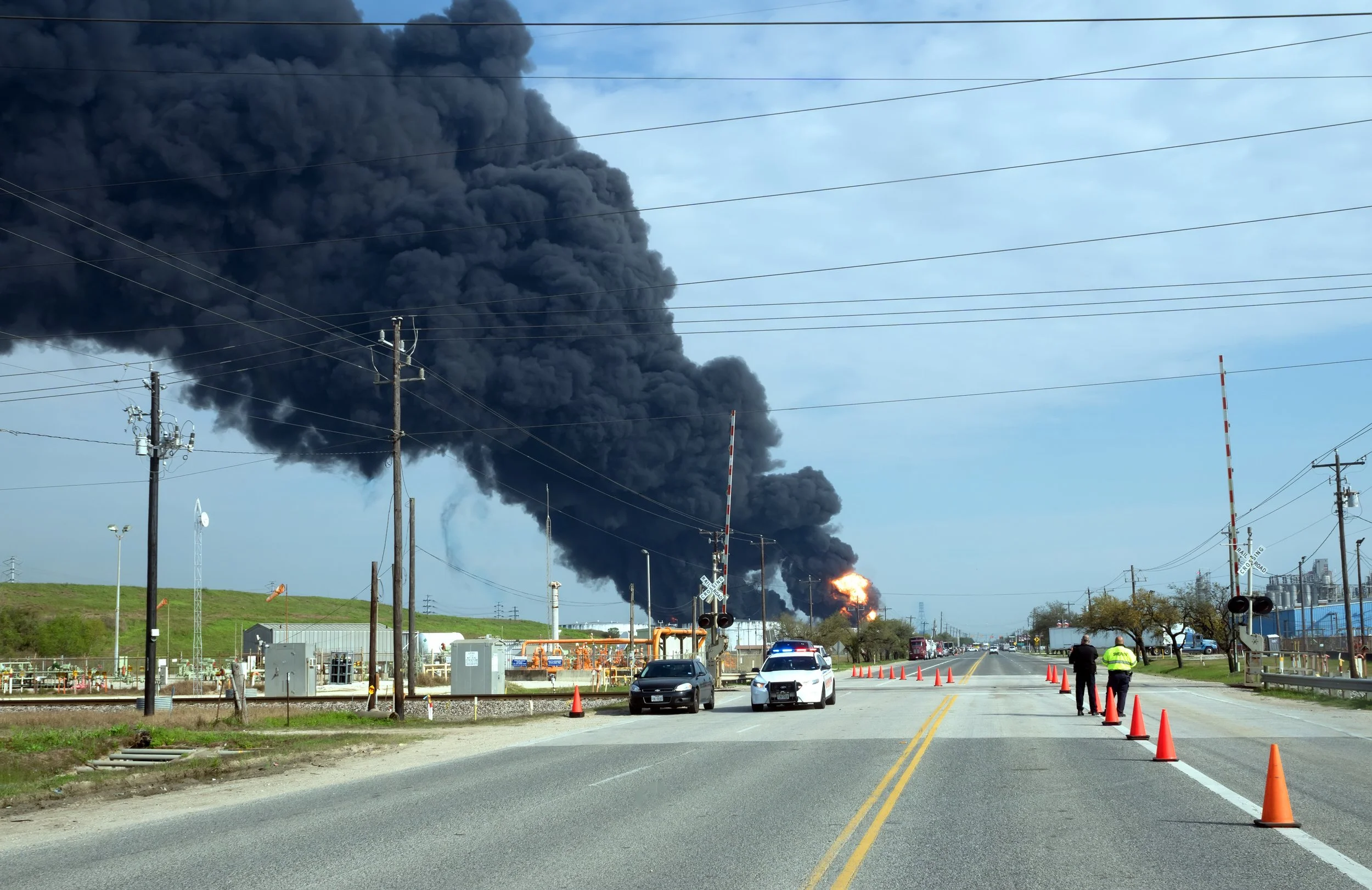
Oil and gas pipelines leak, rupture, and explode. Huge clouds of billowing dark smoke are often on the horizon. Residents aren’t informed about incidents until they check social media or turn on the news at night.
The Permian Basin could see a significant expansion of pipelines aimed at carrying gas to the Gulf Coast for export.
-
Indigenous Impacts
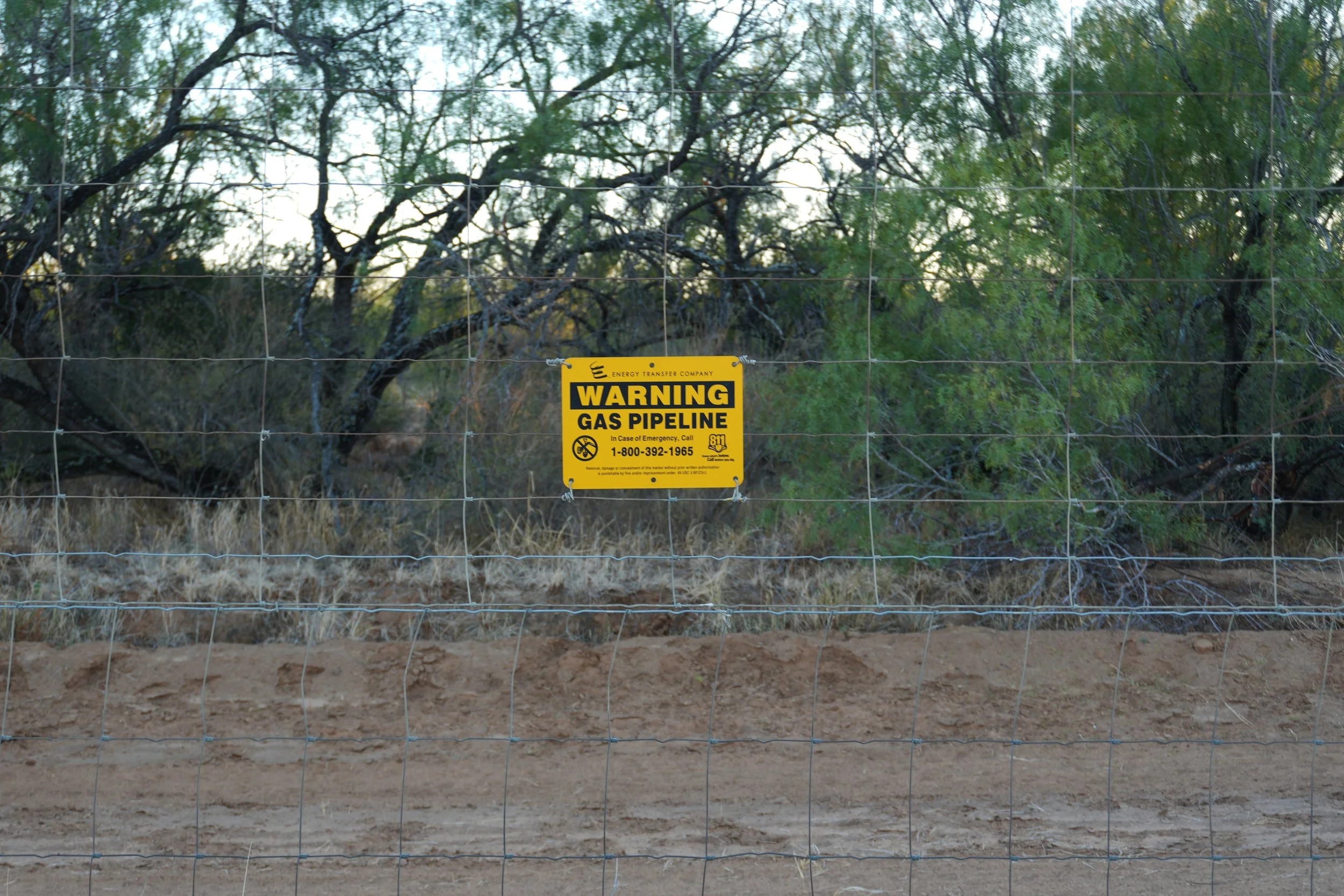
To build oil and gas pipelines, pipeline companies violate treaty-protected rights and Tribal sovereignty by seizing land with water sources, plants and animals that rightfully belong to Indigenous people. Pipeline construction requires clearing land, digging trenches and building access roads on the ancestral lands of many Indigenous Nations through burial grounds, ceremonial spaces, petroglyphs, or ancient village sites. Once disturbed, many sacred sites cannot be restored, even if artifacts are recovered. For many communities this damage is irreversible and represents a profound loss of identity, history and sovereignty. Oftentimes, even if Tribes do not consent to new pipeline proposals, decision-makers do not genuinely consider the input, and the project still proceeds. Pipelines are built with no respect to the Original Peoples of this land.
-
Environmental Justice Impacts
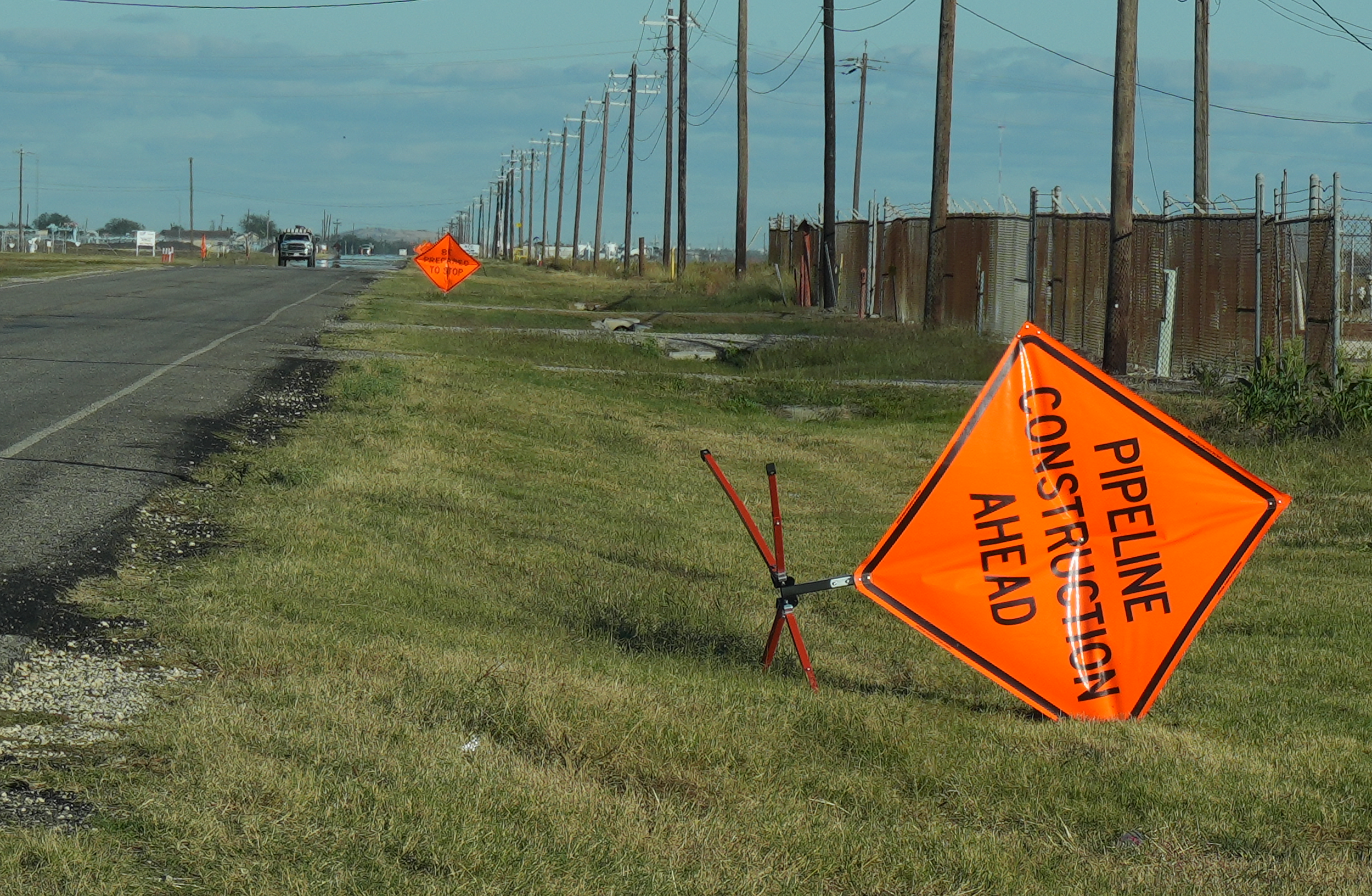
In the Permian Basin and Gulf Coast, pipelines are often in Black, Indigenious, Hispanic and low-income communities where residents lack financial wealth and political influence and have been otherwise marginalized by systemic racism and White supremacy. If a pipeline is proposed through someone’s property, pipelines companies often visit people’s properties uninvited, offering to pay them to let the pipeline through. Even when faced with resistance from frontline communities, pipeline operators and their supporters in government make sure the pipelines proceed. Building pipelines can invite other oil, gas and petrochemical infrastructure to communities who hadn’t yet been targeted for development.
-
Health and Safety Impacts
Across New Mexico, Texas and Louisiana, oil and gas pipelines are bringing serious risks to public health and safety without being held accountable. Pipelines leak dangerous chemicals that poison people and their drinking water, yet regulators aren’t doing much about it. Oil and gas pipelines explode without warning, shooting fireballs high into the air that burn for hours. Schoolchildren can’t play outside during recess if the air smells like rotten eggs, and shelter-in-place orders caused by explosions or leaks can disrupt learning. Proposals for expanding oil, gas and petrochemical activity sometimes involve using old pipelines that haven’t been used in a long time, calling into question the viability of such equipment.
-
Climate Impacts
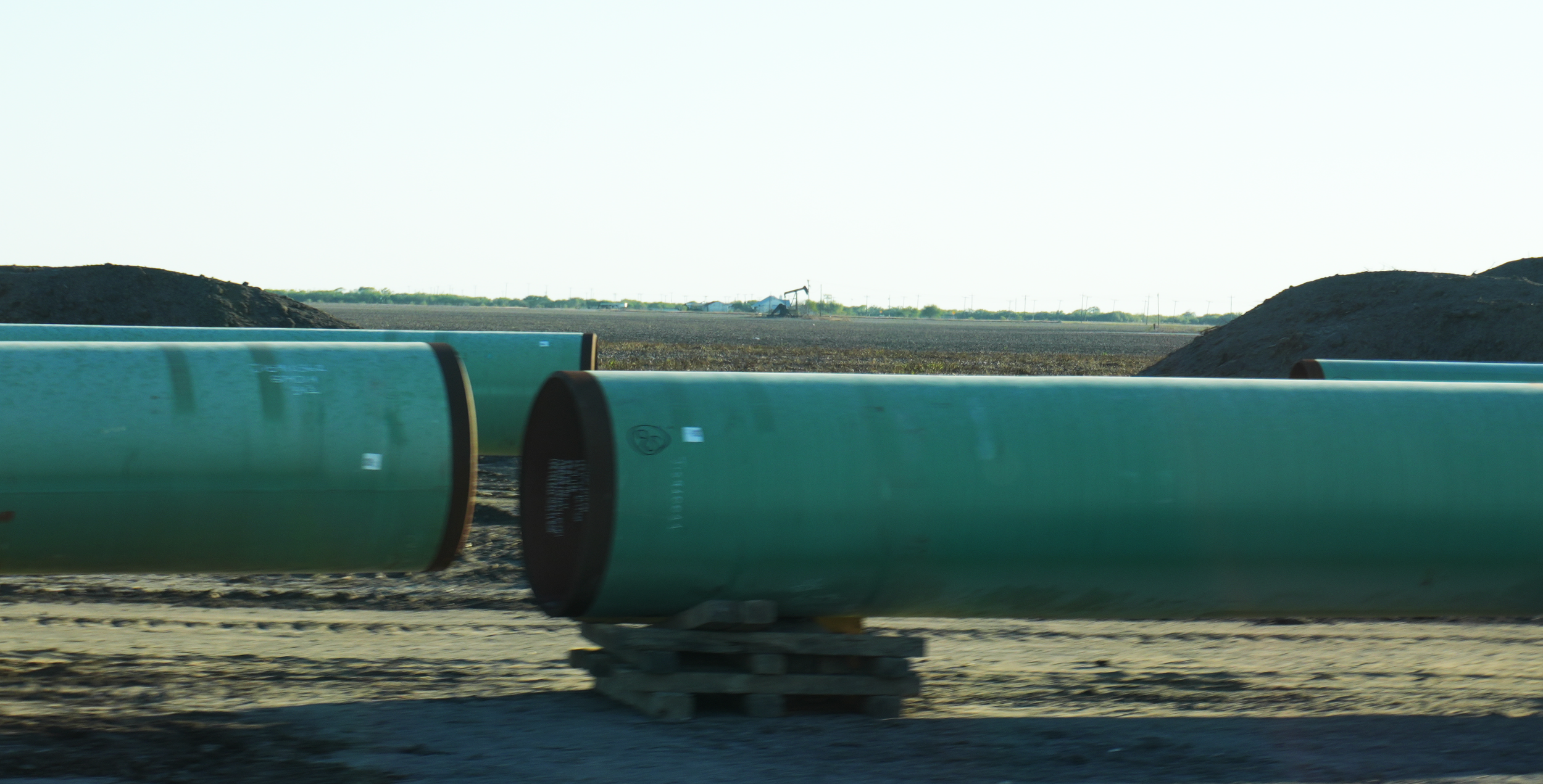
Methane emissions from oil and gas pipelines are a major driver of the climate crisis. Leaking pipelines are a frequent issue and a major source of potent methane emissions in the Permian Basin. Cutting methane emissions from pipelines is an important strategy to limit the rate of current warming, but regulators do not have enough resources to enforce pollution rules. Because of an excess amount of oil, gas and natural gas liquids being produced from the Permian Basin, an expansion of pipelines is being proposed to transport more to the Gulf Coast for export. Building more pipelines would increase methane emissions and increase global warming.
-
Environmental Impacts
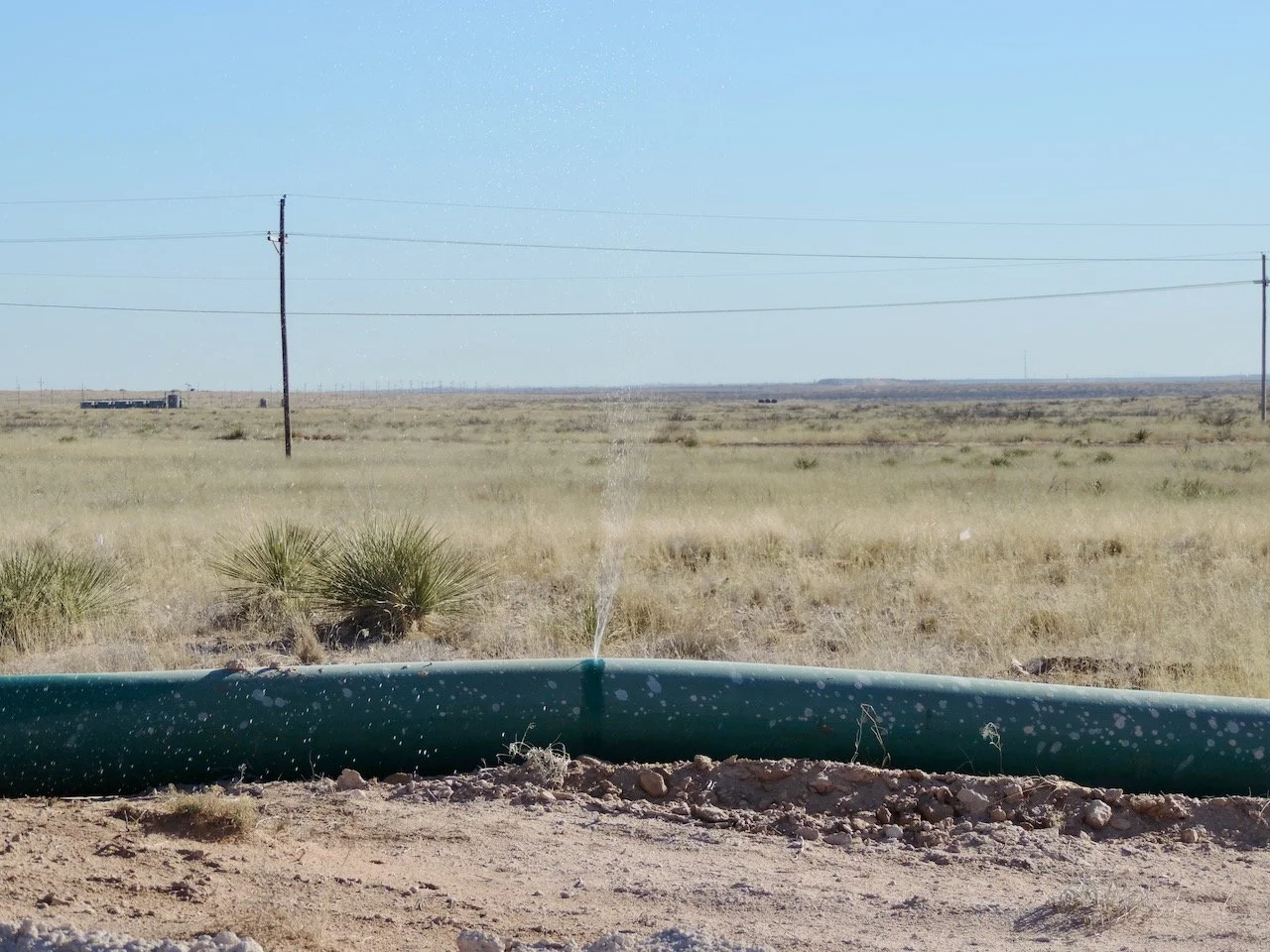
When oil and gas pipelines fail, they cause serious damage to the environment. Pipelines can pollute air, water and soil when they leak. Pipelines that cross rivers and streams are more vulnerable to breaks when heavy rain and floods occur. Most pipelines are buried, but a wide buffer of land is required for pipeline maintenance that disturbs the soil and destroys trees, vegetation, and wildlife habitat. Oil and gas pipelines are prone to explosions and fires which can cause wildfires.
-
Wildlife Impacts
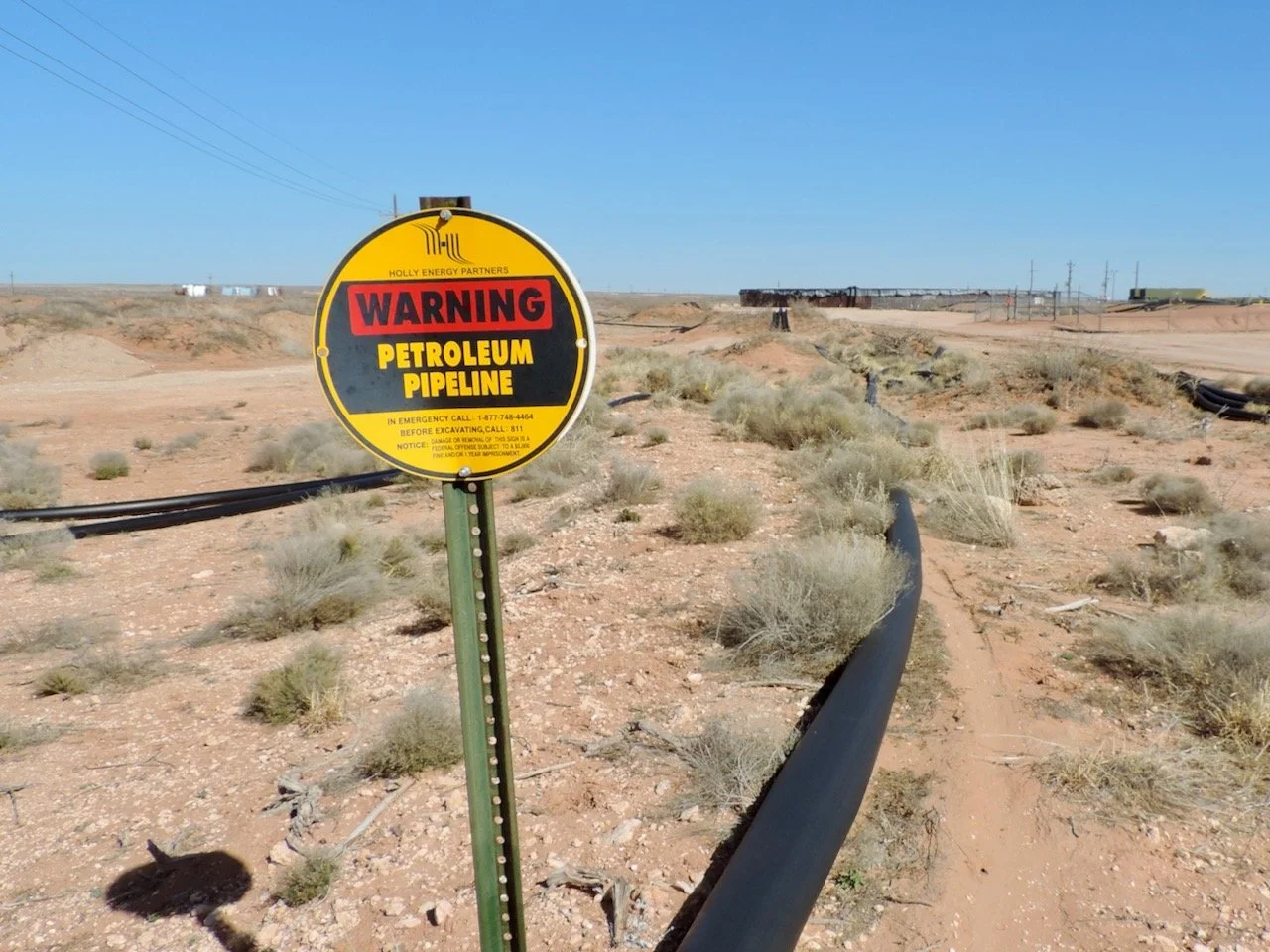
Infrastructure like pipelines displace wildlife by cutting across the natural habitats of various species. They also change the structure of local plant ecosystems and decrease their survival rates. Impacts to local plant communities escalate up the food chain, creating adverse conditions for local wildlife by further destroying habitats, removing food sources, and causing habitat fragmentation. Incidents like oil spills can cause such serious harm to plants and animals that their genetics are impacted, affecting future generations of species.
Members Working on Pipelines






Other Issues That Matter
-
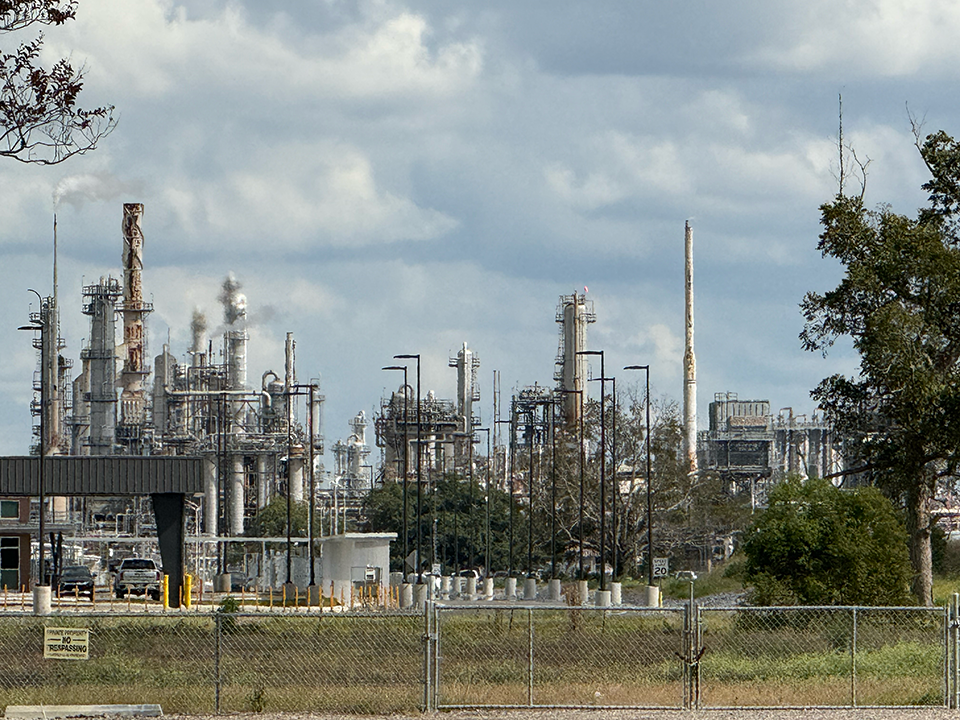
Petrochemicals
An increased availability of petrochemicals from the Permian Basin is driving a massive wave of new facilities on the Gulf Coast.
-
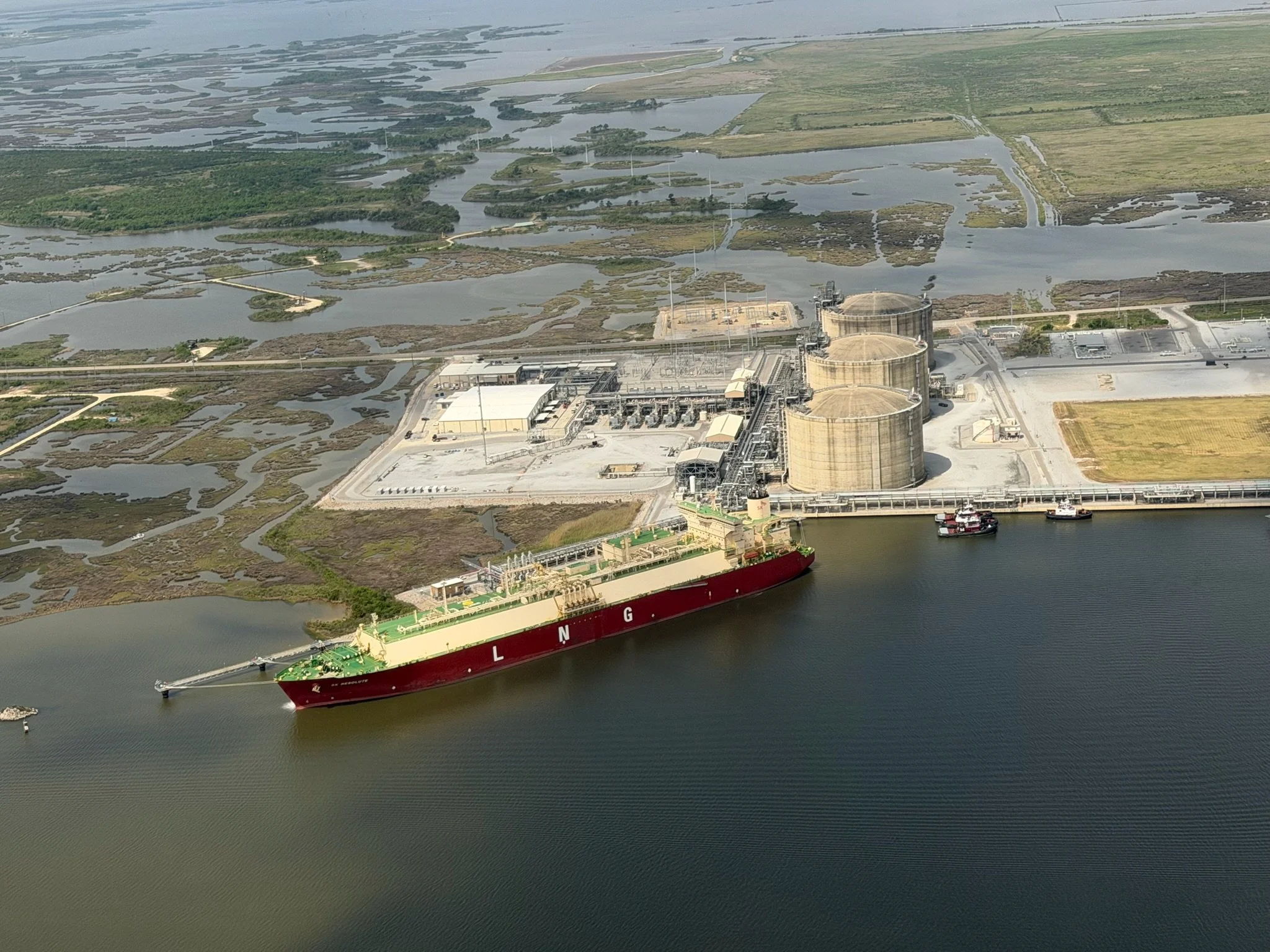
Exports
The largest buildout of fossil fuels in the world is taking place on the Gulf Coast, through exports.
-
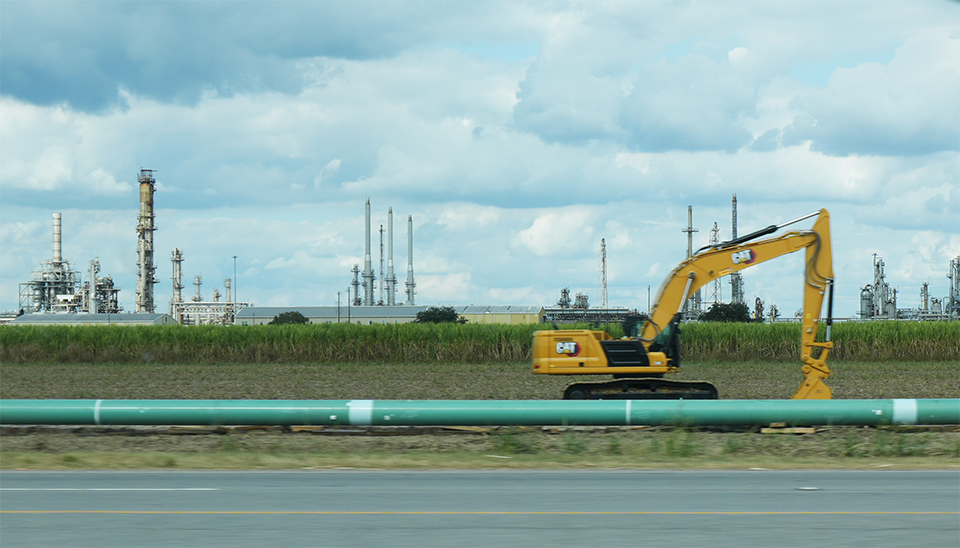
False Solutions
The Permian Basin and Gulf Coast are major hubs for false solutions because of their existing infrastructure.
-
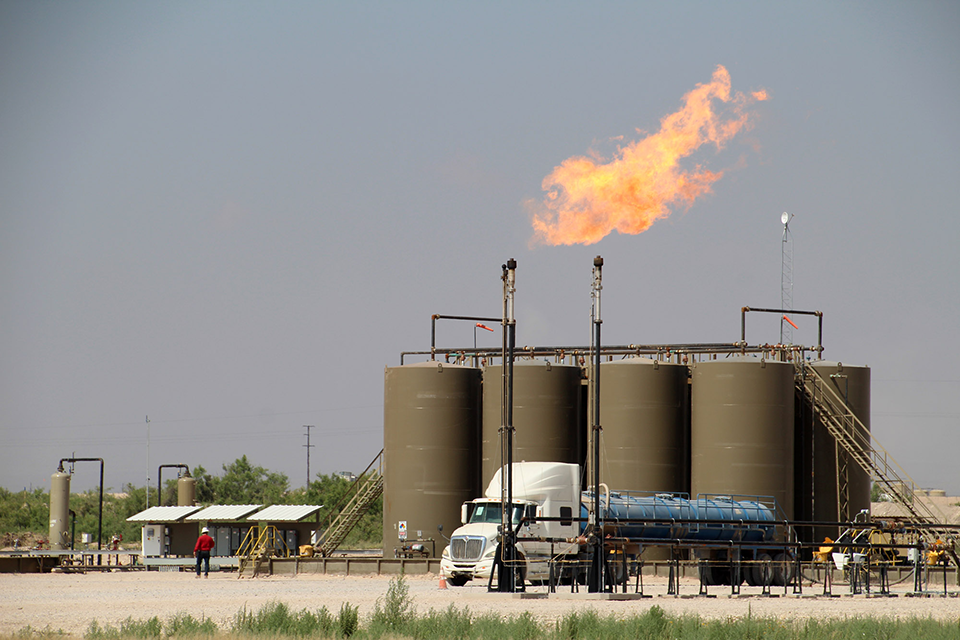
Extraction
In the Permian Basin oilfield, companies are planning more extraction than ever before.