
Petrochemicals
Petrochemicals are chemicals derived from oil and gas that are used to make plastics, fertilizers, adhesives, and other products. Petrochemical facilities operate 24/7, constantly disrupting the lives of people who live nearby.
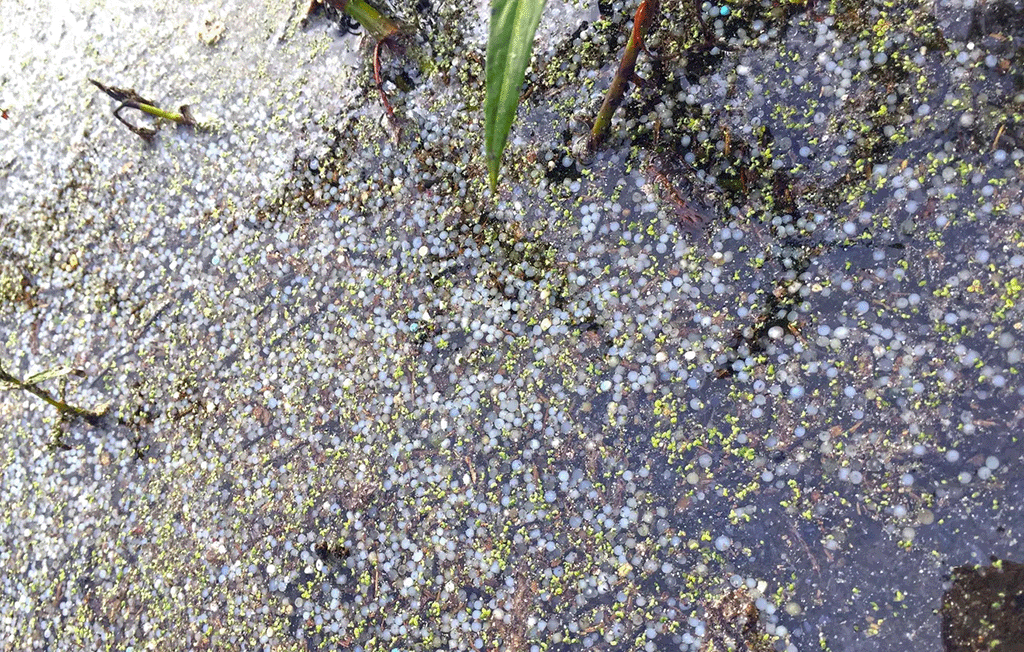
White and black smoke billows from facilities located right next to homes. Lights and flames from flares light up the night sky, making it hard to sleep. Foul smells, headaches, nausea, coughing, dizziness, and skin irritation force residents to stay inside. Pipes discharge millions of tiny plastic pellets into waterways.
An increased production of petrochemicals from the Permian Basin is driving a massive wave of new facilities on the Gulf Coast. The two major petrochemical clusters in the United States are on the Gulf Coast: the Greater Houston area in Texas and an 85-mile-long industrial corridor along the Mississippi River in Louisiana nicknamed “Cancer Alley.” Both of these petrochemical hubs are fed from the Permian Basin.
-
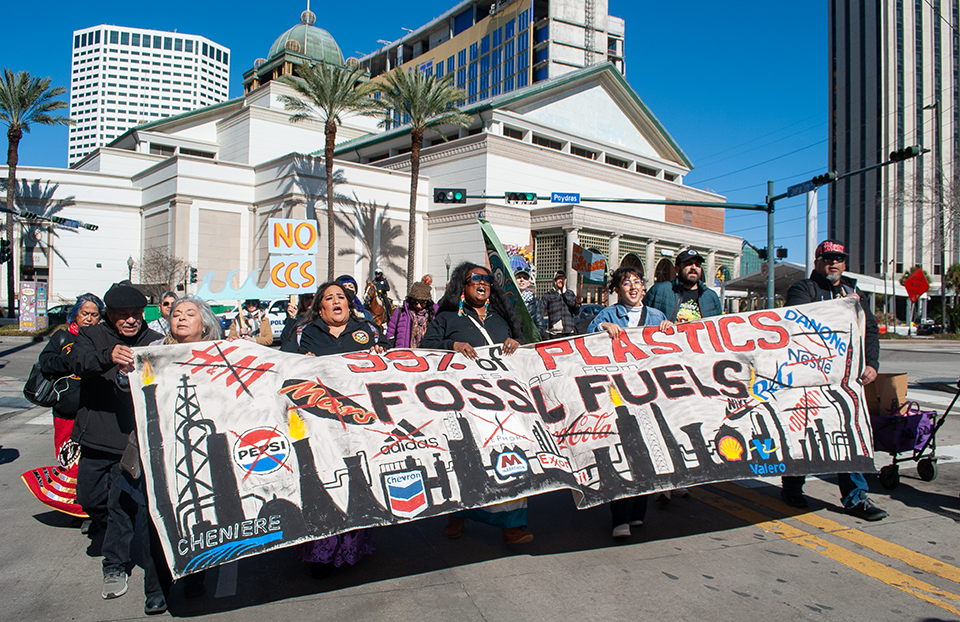
Indigenous Impacts
Petrochemicals, like all oil and gas activity, disproportionately affect Indigenous communities by contaminating their lands and water sources and infringe upon their sovereignty. Many petrochemical projects are approved without Indigenous and Tribal consultation, giving them no say in how their rightful ancestral lands will be impacted. Petrochemical projects and the corporations that own them often violate treaty rights, leaving Indigenous communities with the detrimental impacts and no accountability for the irrevocable damage they’ve caused.
-
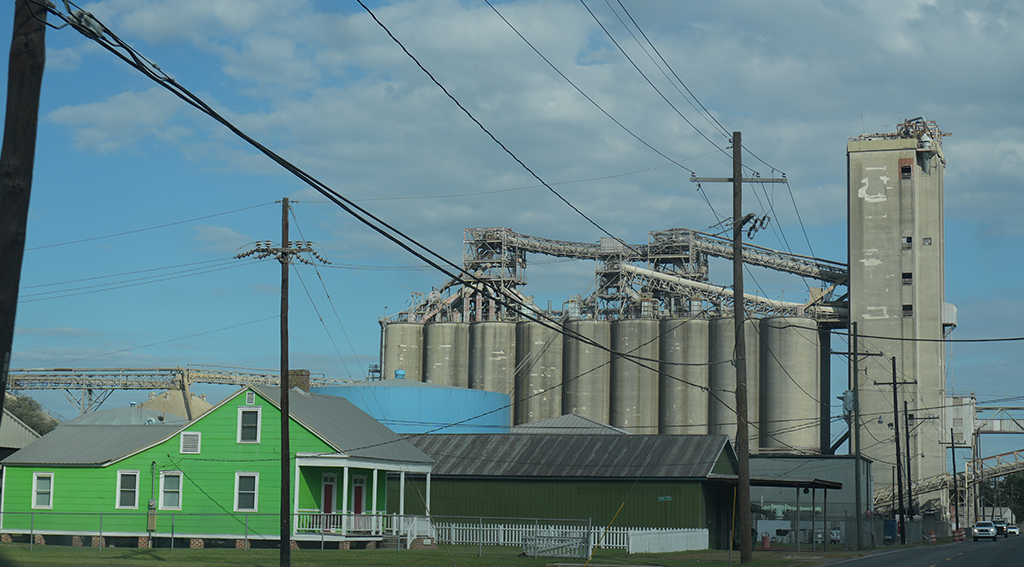
Environmental Justice Impacts
Petrochemical facilities in Texas and Louisiana are located in low-income communities of color who already experience higher environmental and health risks from industrial pollution than the rest of the country. Many Gulf Coast communities are still rebuilding from hurricanes, which can devastate Gulf Coast communities. Petrochemical plants and their pollution can make hurricanes more common, more dangerous, and more costly. Residents are promised good jobs from petrochemical projects, but rarely see it come to fruition. In Louisiana, which has one of the largest concentrations of petrochemical facilities in the U.S., a study found that residents of color are more likely to be affected by industrial emissions then get jobs from the chemical manufacturing and petroleum/coal industry.
-
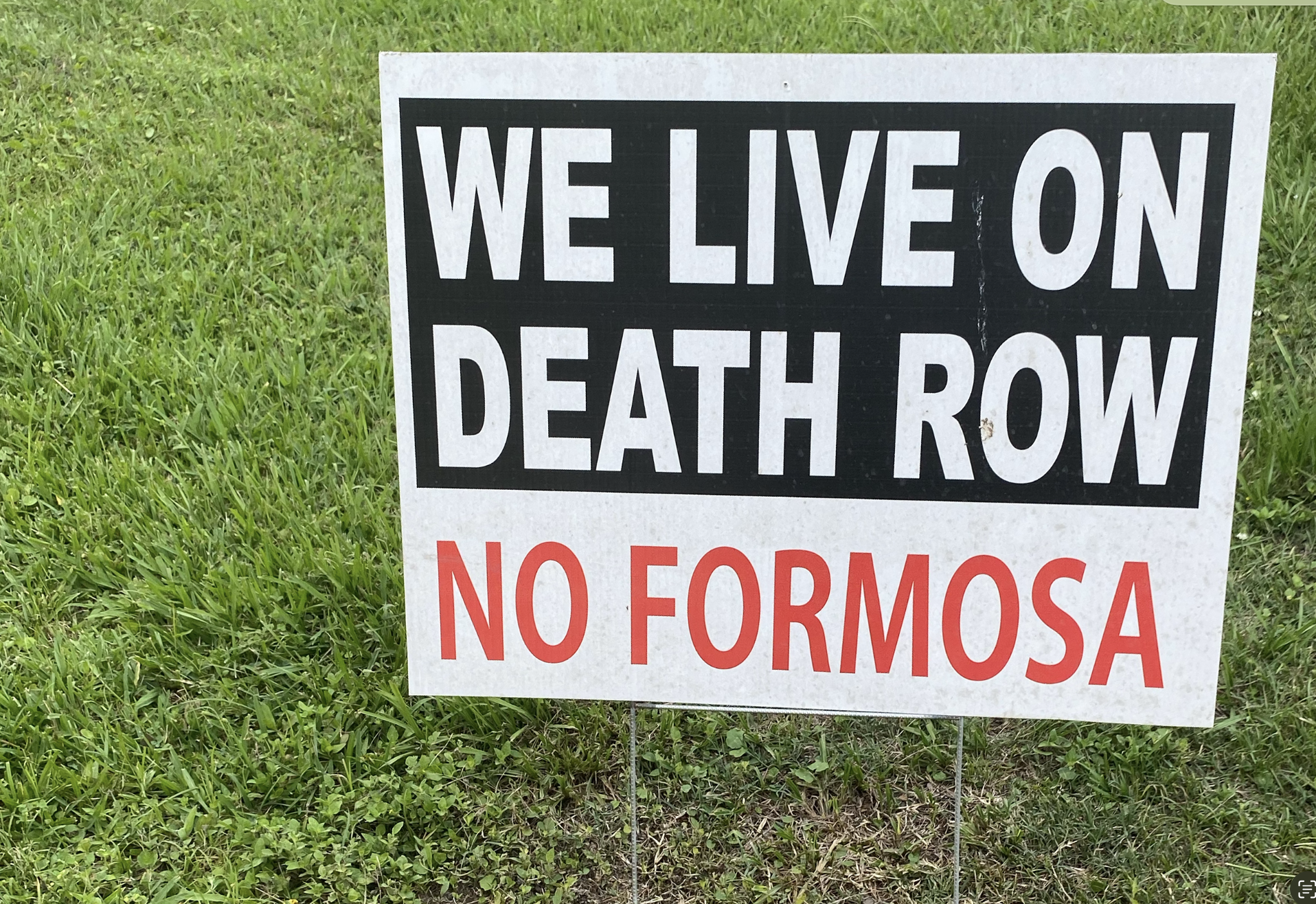
Health and Safety Impacts
In Texas and Louisiana, people and children who live next door to petrochemical facilities get sick. They are unable to sit outside on their porch or play outside because their eyes water and their throats burn. Proximity to petrochemical activity has been linked to increased cancer risks as well as respiratory illnesses and reproductive, maternal, and newborn health harms. Residents attend multiple funerals during the week and recall a time when cancer in neighbors and asthma in children was not an issue. In Louisiana's most polluted areas, Black and low-income pregnant women face the highest risks of low birth weights and premature births. When petrochemical facilities have incidents like fires or explosions, there is rarely any communication from the facility to people in affected neighborhoods. Schools are forced to shelter-in-place, disrupting learning.
-
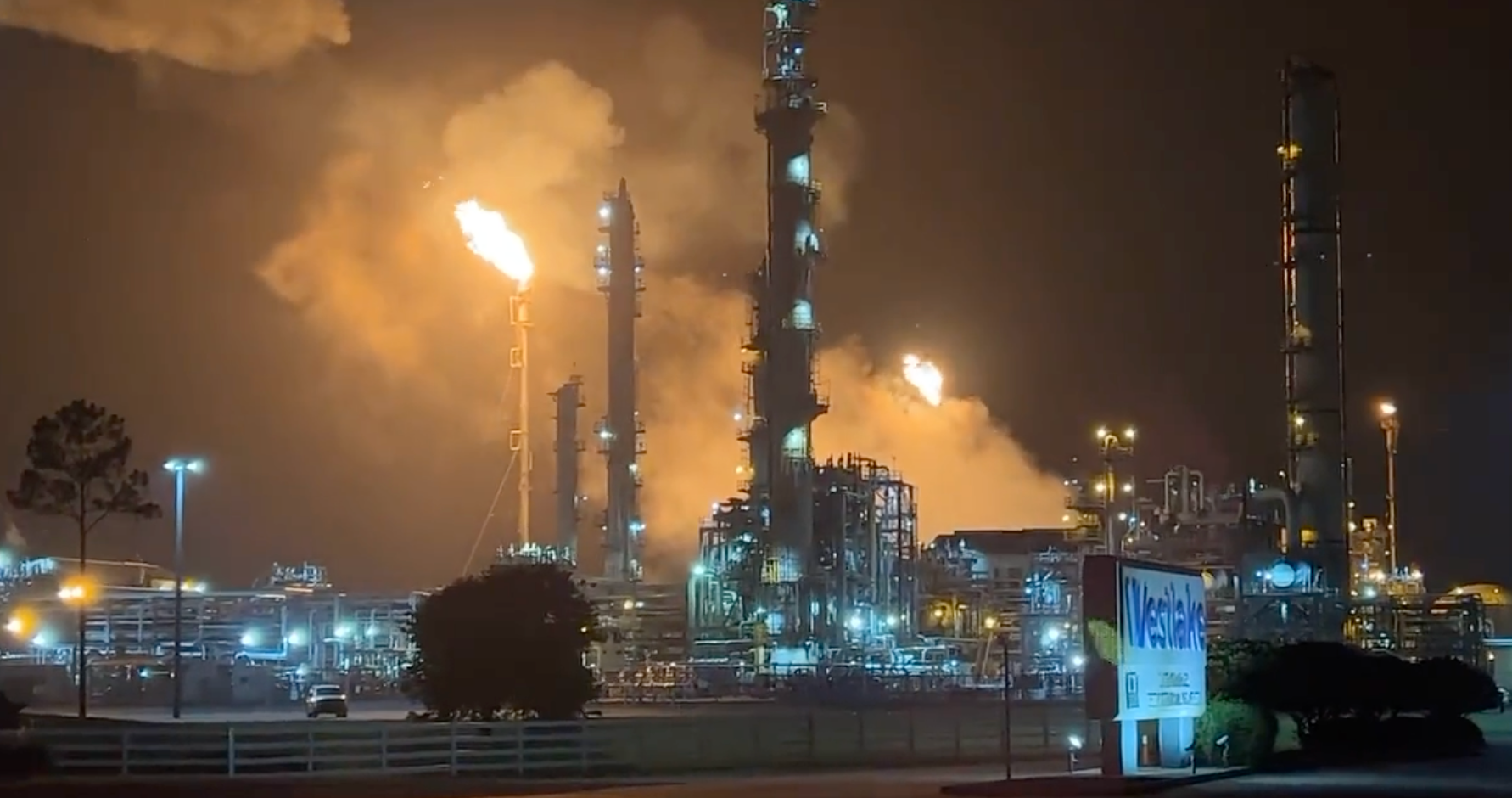
Climate Impacts
Petrochemicals contribute significantly to the climate crisis, with global pollution from plastic manufacturing being equivalent to 600 coal-fired power plants. The entire petrochemical manufacturing process, from the pumpjack to pipelines to refineries, is one of the main sources of greenhouse gas emissions, which accelerate climate change. If the petrochemical industry keeps expanding, climate-warming emissions will rise, and there will be more extreme weather such as fires and floods. Petrochemical plants are vulnerable to climate-driven hurricanes, and floods threaten to trigger massive toxic spills from petrochemical storage tanks in coastal areas. Photo credit: The Vessel Project of Louisiana.
-
Environmental Impacts
The petrochemical industry in Texas and Louisiana causes serious harm to the environment but is rarely held accountable for the damage it causes. Facilities illegally pollute waterways that are important for commercial fisheries with chemicals and tiny plastic pellets, called “nurdles,” into bodies of water and environments. Even when corporations are forced to pay fines for polluting because community members report them, the fine is not enough to cause real consequences for the issue and it usually goes on without cleanup or change. Regulators aren’t adequately staffed to meaningfully enforce the rules that are supposed to protect the environment from petrochemical pollutions. The petrochemical industry also steals billions of gallons of water each year from public drinking water sources like underground aquifers and groundwater, as well as surface water like rivers and lakes. Despite facing serious water shortages and drought conditions that cities have been well aware of would happen, the petrochemical industry and its supporters in government are trying to come up with new ways to sacrifice water resources so billionaires can make more money. Photo credit: San Antonio Bay Estuarine Waterkeeper
-

Wildlife Impacts
Petrochemical activity can be detrimental to animals. Marine animals can ingest oil while grooming or feeding, causing harm to their organs and gastrointestinal distress. When plastic products are consumed, this can cause suffocation and gut blockage. Petrochemicals also cause external effects on sea animals by physical coating, which reduces birds’ and mammals’ ability to regulate body temperature, or by smothering small species of fish and invertebrates. Plastic products in the water can also cut through the flesh of marine life, making them susceptible to deadly infections.
Members Working on Petrochemicals






Other Issues That Matter
-
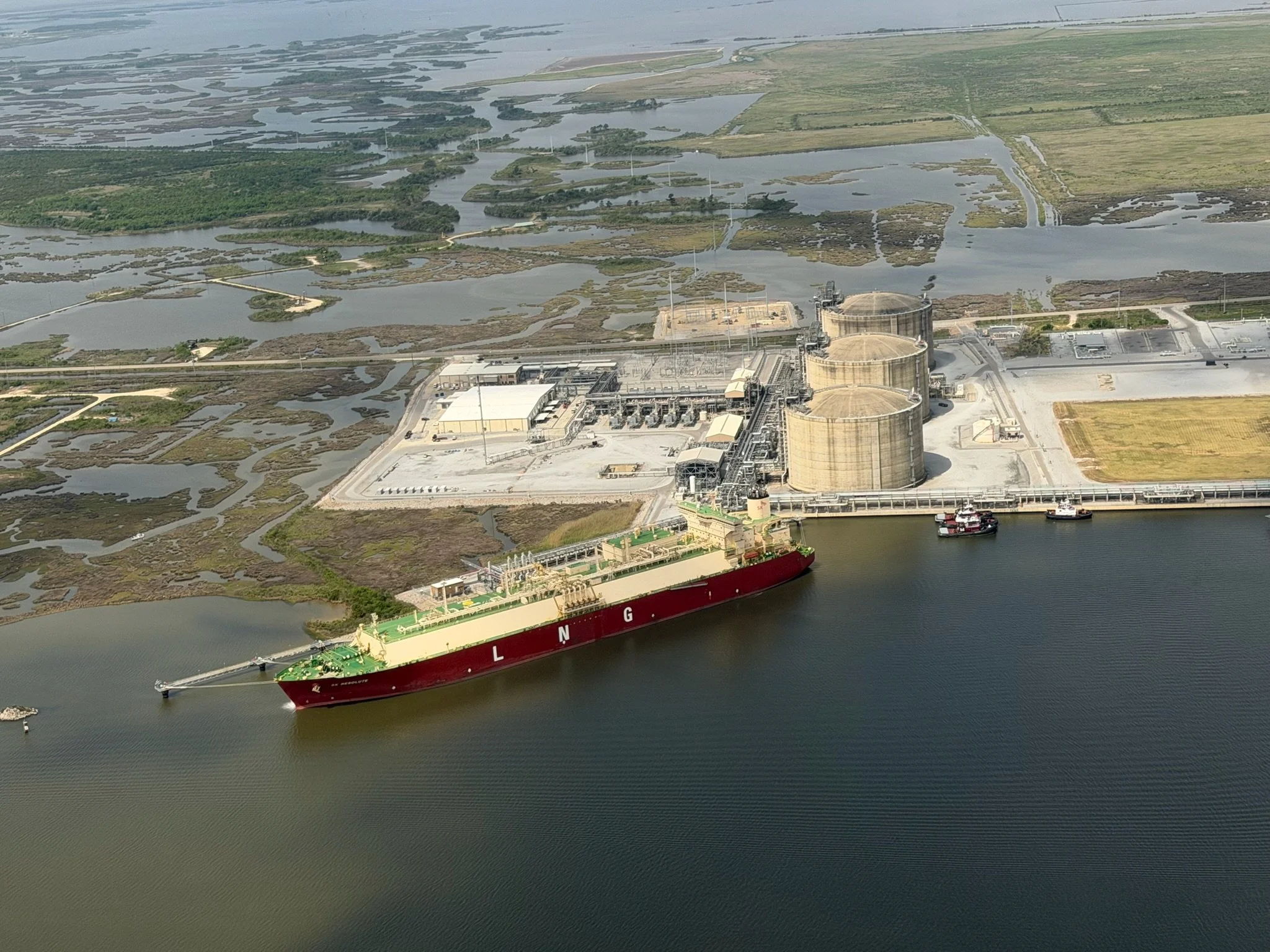
Exports
The largest buildout of fossil fuels in the world is taking place on the Gulf Coast, through exports.
-
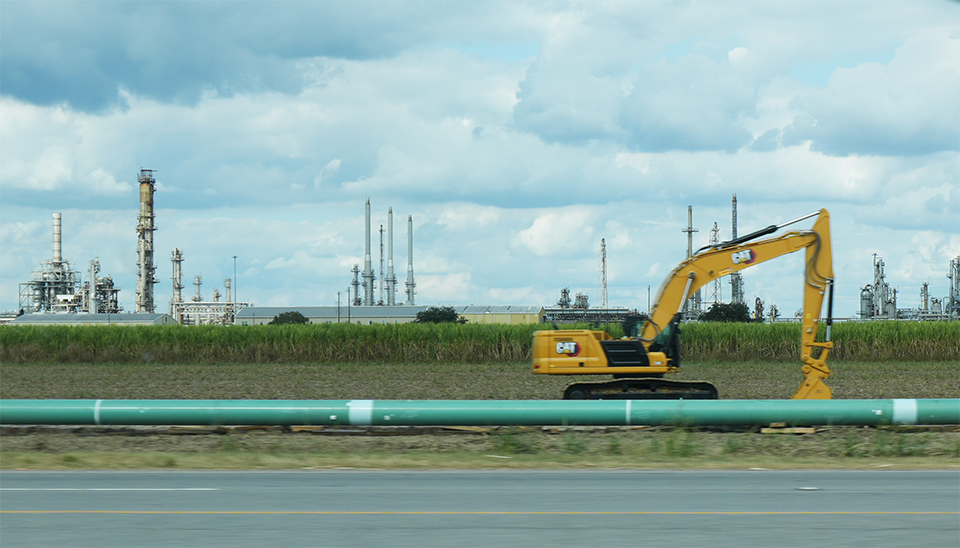
False Solutions
The Permian Basin and Gulf Coast are major hubs for false solutions because of their existing infrastructure.
-
Extraction
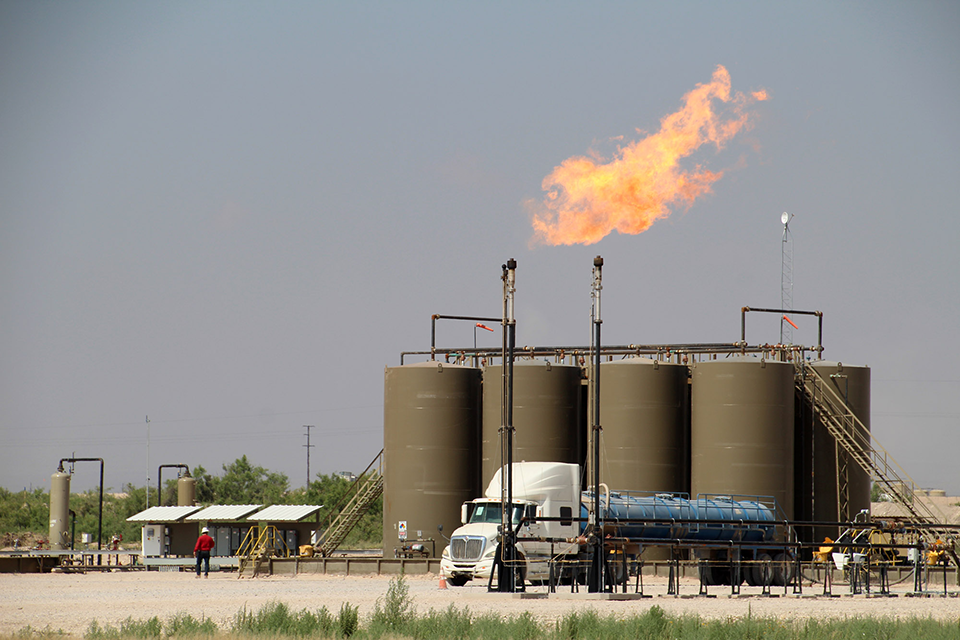
In the Permian Basin oilfield, companies are planning more extraction than ever before.
-
Pipelines
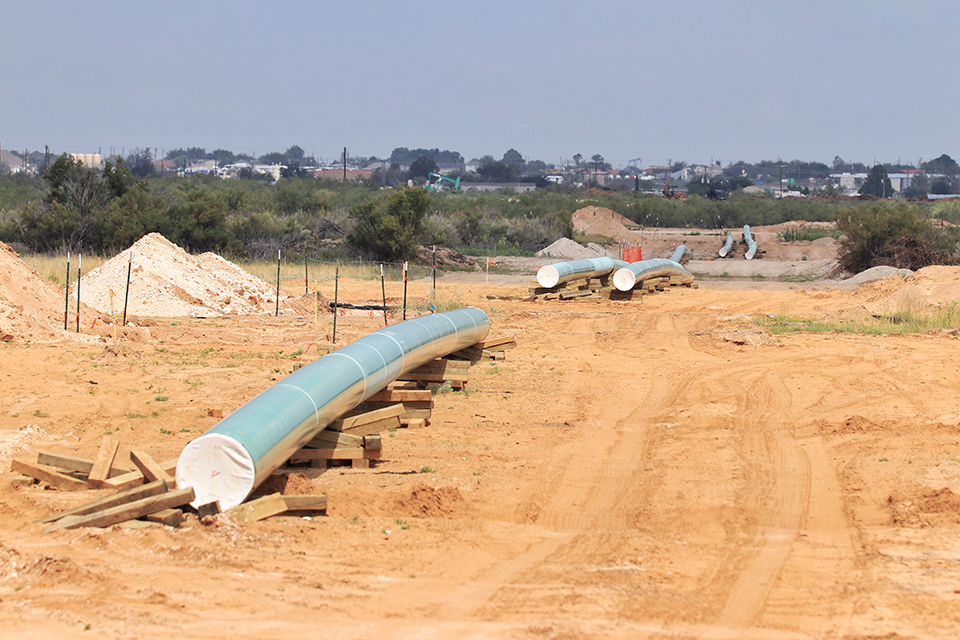
The Permian Basin could see a significant expansion of pipelines aimed at carrying gas to the Gulf Coast for export.