
False Solutions
False solutions are technologies that the fossil fuel industry has come up with to “fix” problems they caused, such as greenhouse gas emissions.
In reality, these “solutions” – such as carbon capture, hydrogen, desalination, pyrolysis – allow the fossil fuel industry to keep burning oil, gas, and coal while perpetuating and exacerbating harm to minority and lower-income people who already live near refineries, plastic plants and pipelines.
The Permian Basin and Gulf Coast are major hubs for false solutions because of their existing infrastructure.
-
Indigenous Impacts
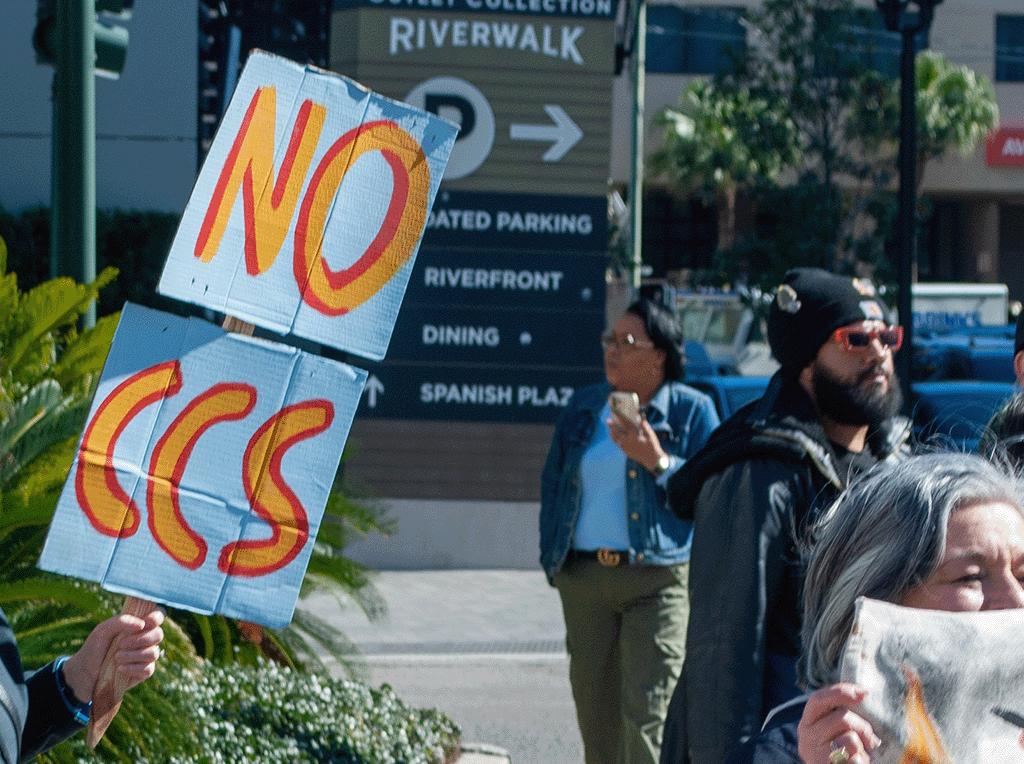
The fossil fuel industry relies on systems designed to erase Indigenous Peoples to advance their false solutions, which are just an excuse for the industry to continue depleting natural resources and disrupting Indigenous relationships to land, water, culture, health and self-governance. Many false solution projects are planned near Indigenous communities, who already face greater health risks and have fewer resources to fight back. Instead of advancing solutions that could actually create a healthy future for furure generations, Indigenous communities are forced to protect the land, the water and the air from these distractions that could bring serious harm to their communities and sovereignty.
-
Environmental Justice Impacts
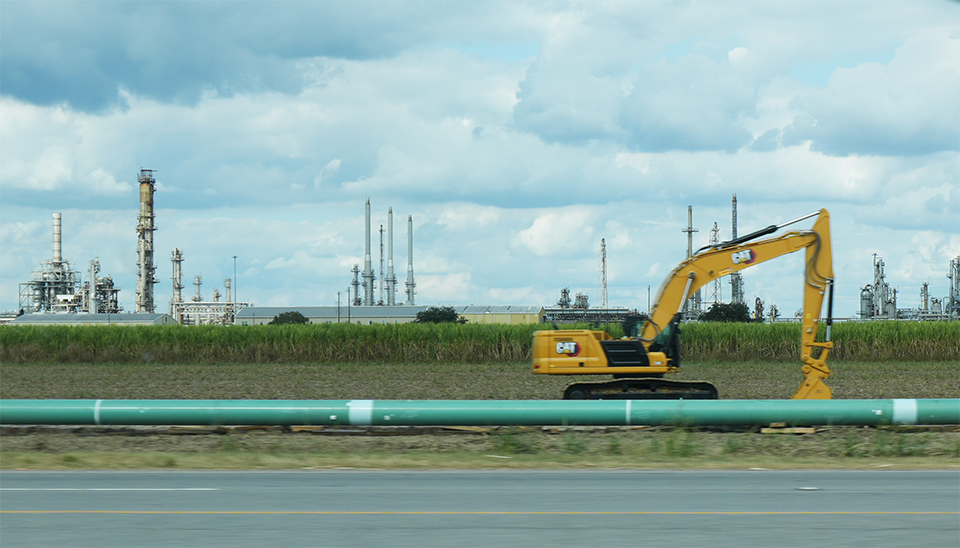
The Black, Brown, Indigenous, rural and low-income communities in New Mexico, Texas, and Louisiana most at risk from false solutions are the same ones who’ve been historically harmed by oil, gas, and petrochemical projects and ignored when they raise concerns. Because these states already have massive amounts of oil and gas infrastructure, they are ground zero for false solutions. Building out systems to support false solutions involves more pipelines and plants, all of which would continue exposing these communities to health-harming pollutants that can cause birth defects, cancer, and asthma. Proposals for false solution projects are incredibly technical and hundreds of pages. The permitting process only allows for a couple of weeks to provide input on them, moving quickly and quietly without providing adequate time for community input, like public hearings.
-
Health and Safety Impacts
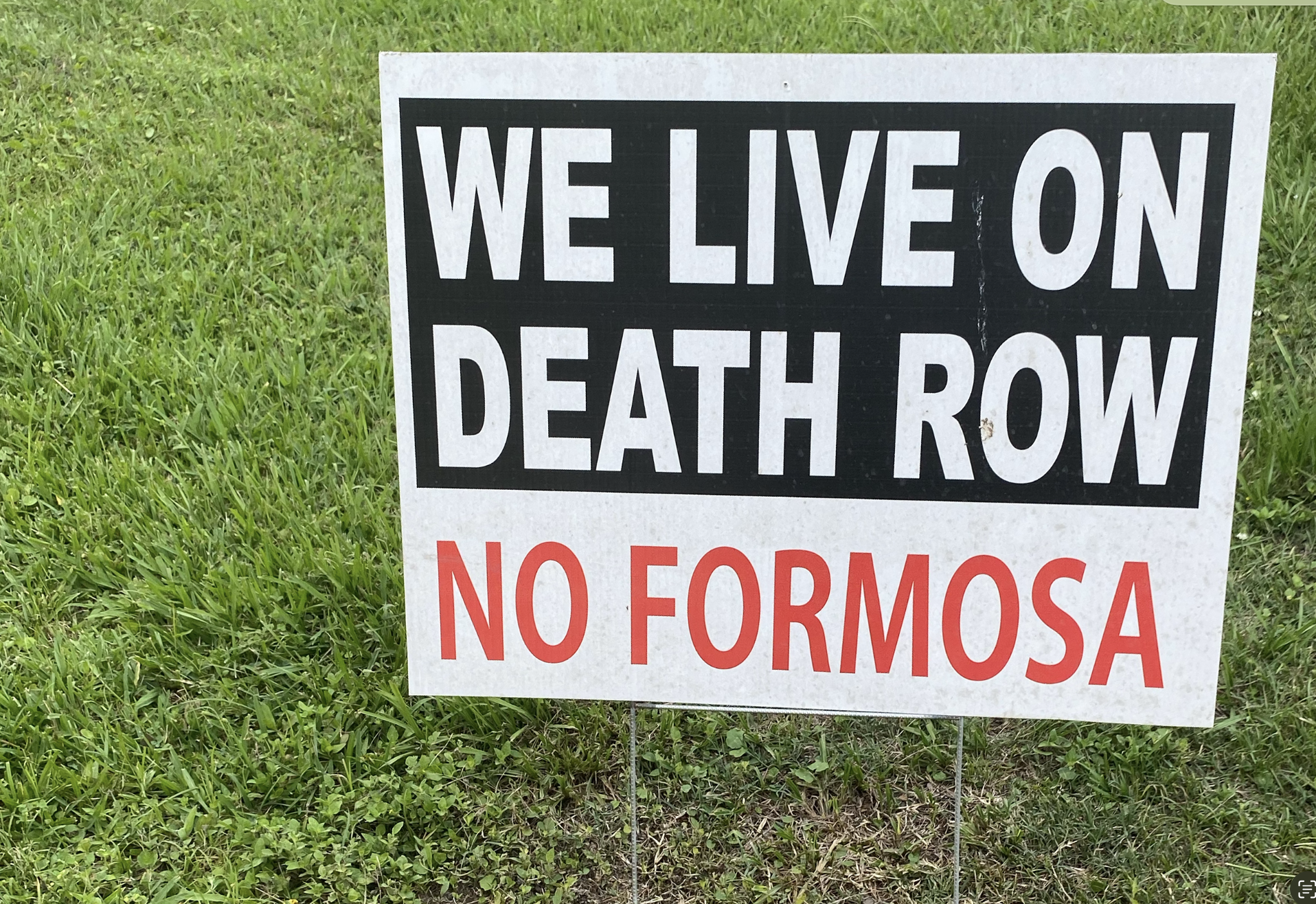
Building out false solutions involves building industrial operations next to schools and neighborhoods which would further expose people and children to health-harming pollutants that can cause birth defects, cancer, and asthma. Corporations claim their projects will reduce emissions, but this would not alleviate harmful air pollutants. They say new pipelines are safe, but communities experience explosions and fires frequently. Many towns in the Permian Basin and Gulf Coast are ill-equipped for large-scale emergencies and the scale and size of false solution projects raises serious concerns about the ability to respond to even greater emergencies.
-
Climate Impacts
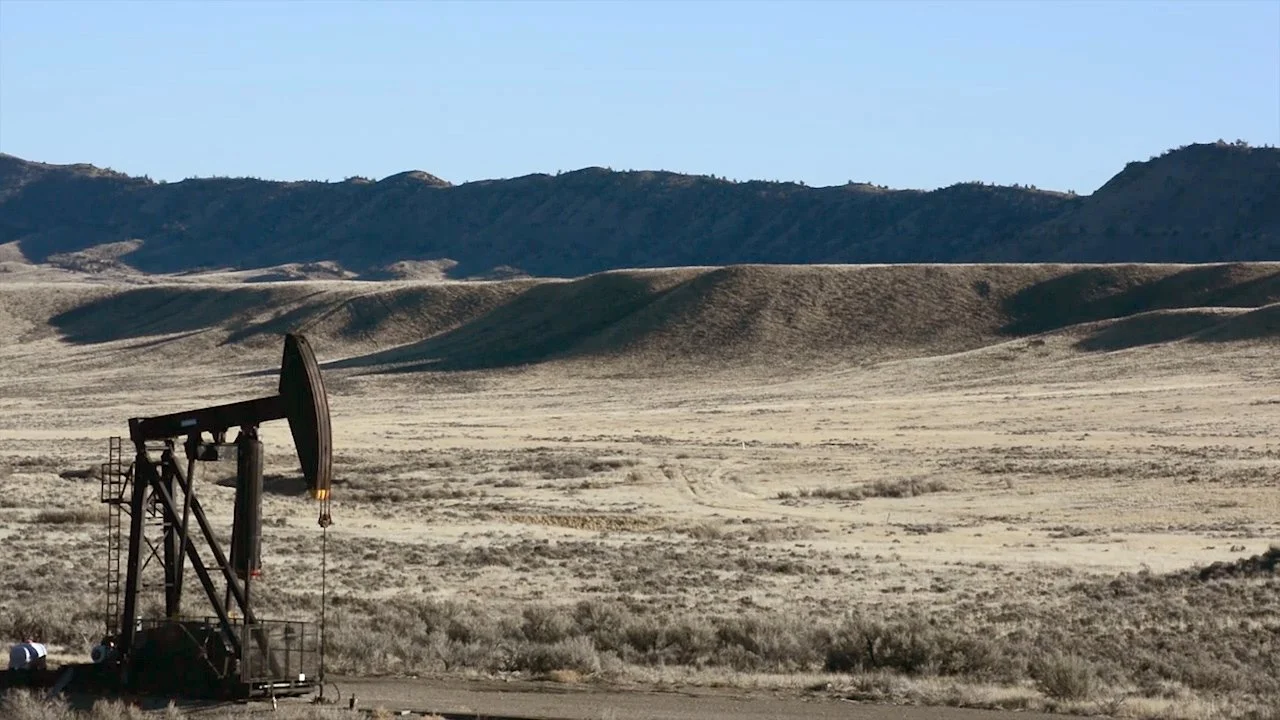
The fossil fuel industry promotes false solutions as clean energy sources, but most false solutions are produced from fossil fuels which are the primary drivers of climate change. False solutions prolong dependence on oil, gas and coal which would cause more drilling, fracking and pipelines in shale plays like the Permian Basin. Investing in false solutions that don’t do anything to address the climate crisis diverts much-needed resources away from a just transition to renewable energy. The same companies that spend trillions of dollars greenwashing consumers into thinking gas is a clean energy source are also deceiving the world that they are taking climate action by investing in false solutions.
-
Environmental Impacts
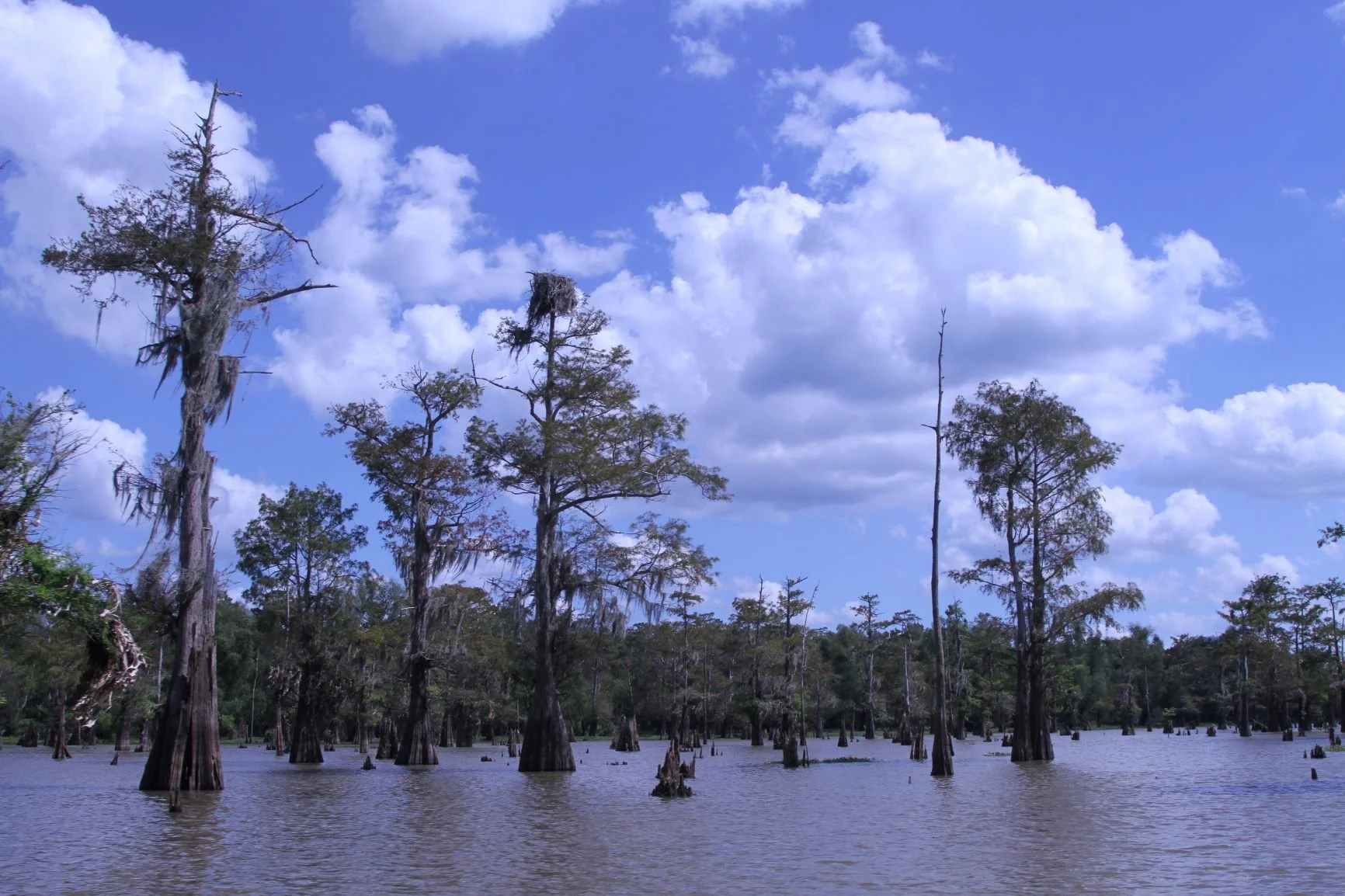
As communities try to address the adverse issues that oil, gas and petrochemical activity has brought to their environments – such as earthquakes, water scarcity, droughts, extreme weather events – they are being met with an onslaught of false solutions that will exacerbate these issues. False solutions claim to “fix” environmental problems, but they actually create more and can worsen existing issues. The few remaining wilderness areas in New Mexico, Texas and Louisiana that have yet to be touched by oil, gas and petrochemical activity are being targeted as locations for false solutions.
-

Wildlife Impacts
Wildlife in the Permian Basin and Gulf Coast are already under stress from oil, gas and petrochemical activity. False solutions use existing infrastructure, like pipelines, which fragment habitat and bring serious pollution to plants and animals. Habitat can be fragmented even more by constructing new infrastructure for false solutions. False solutions also worsen the climate crisis, contributing to habitat loss and wildlife extinctions worldwide. All of this happening under the guise of “clean” energy sets a dangerous precedent for greenwashing and should not be allowed to stand.
Members Working on False Solutions






Other Issues That Matter
-
Extraction
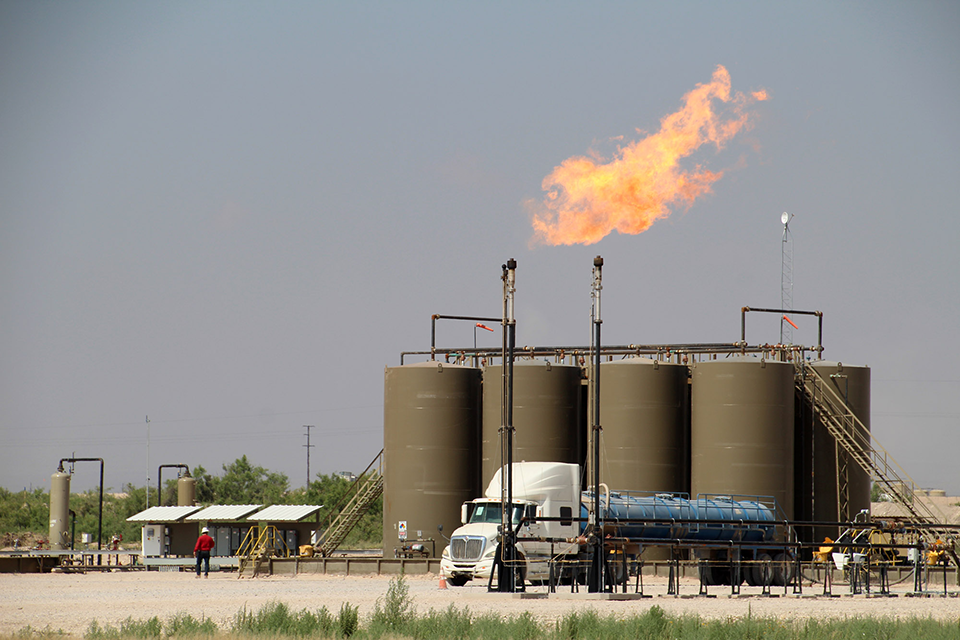
In the Permian Basin oilfield, companies are planning more extraction than ever before.
-
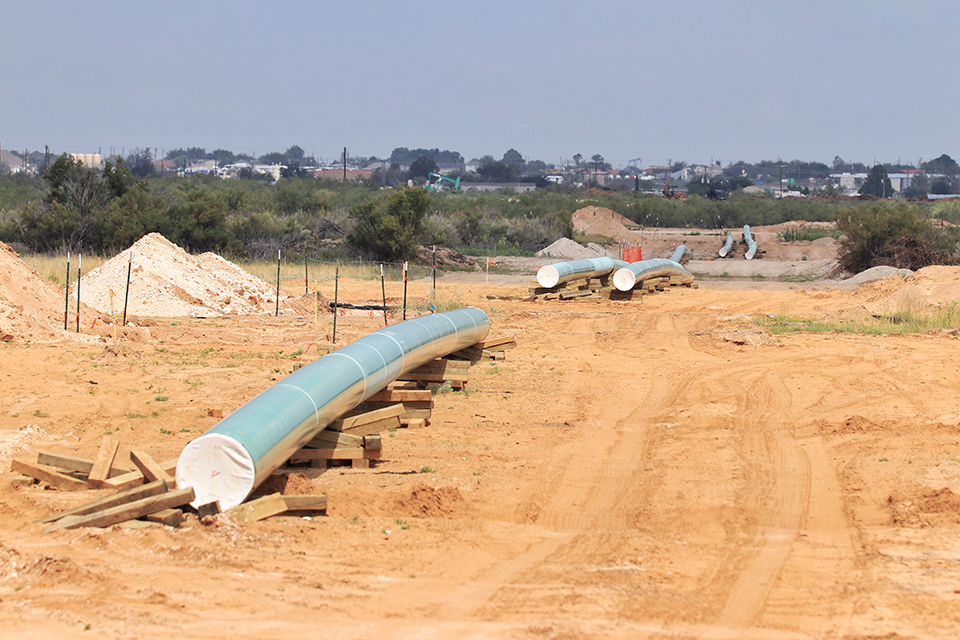
Pipelines
The Permian Basin could see a significant expansion of pipelines aimed at carrying gas to the Gulf Coast for export.
-
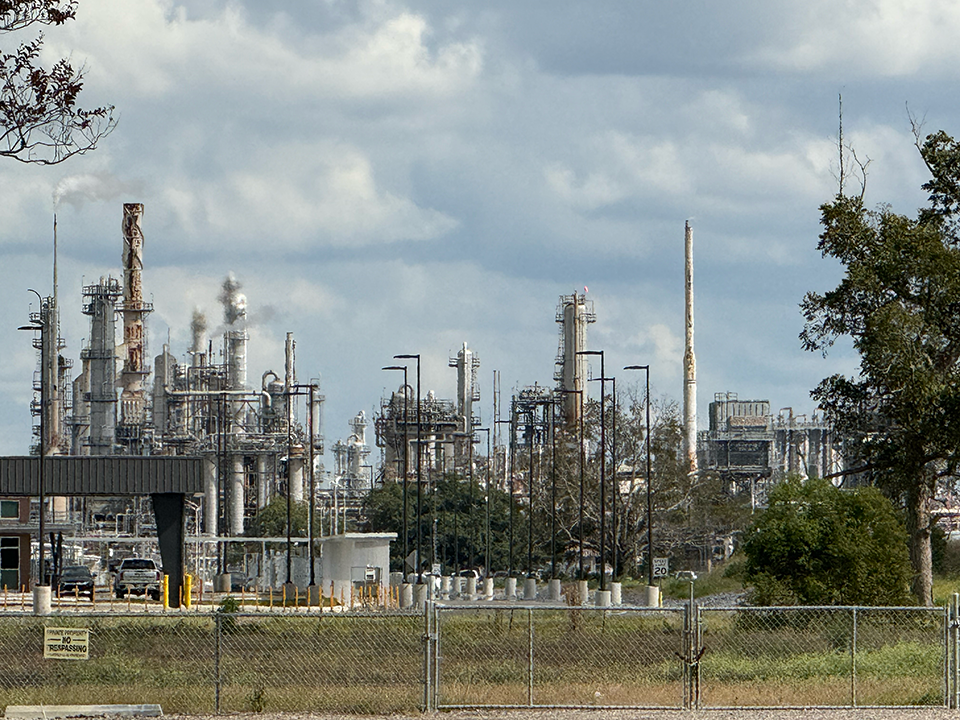
Petrochemicals
An increased availability of petrochemicals from the Permian Basin is driving a massive wave of new facilities on the Gulf Coast.
-
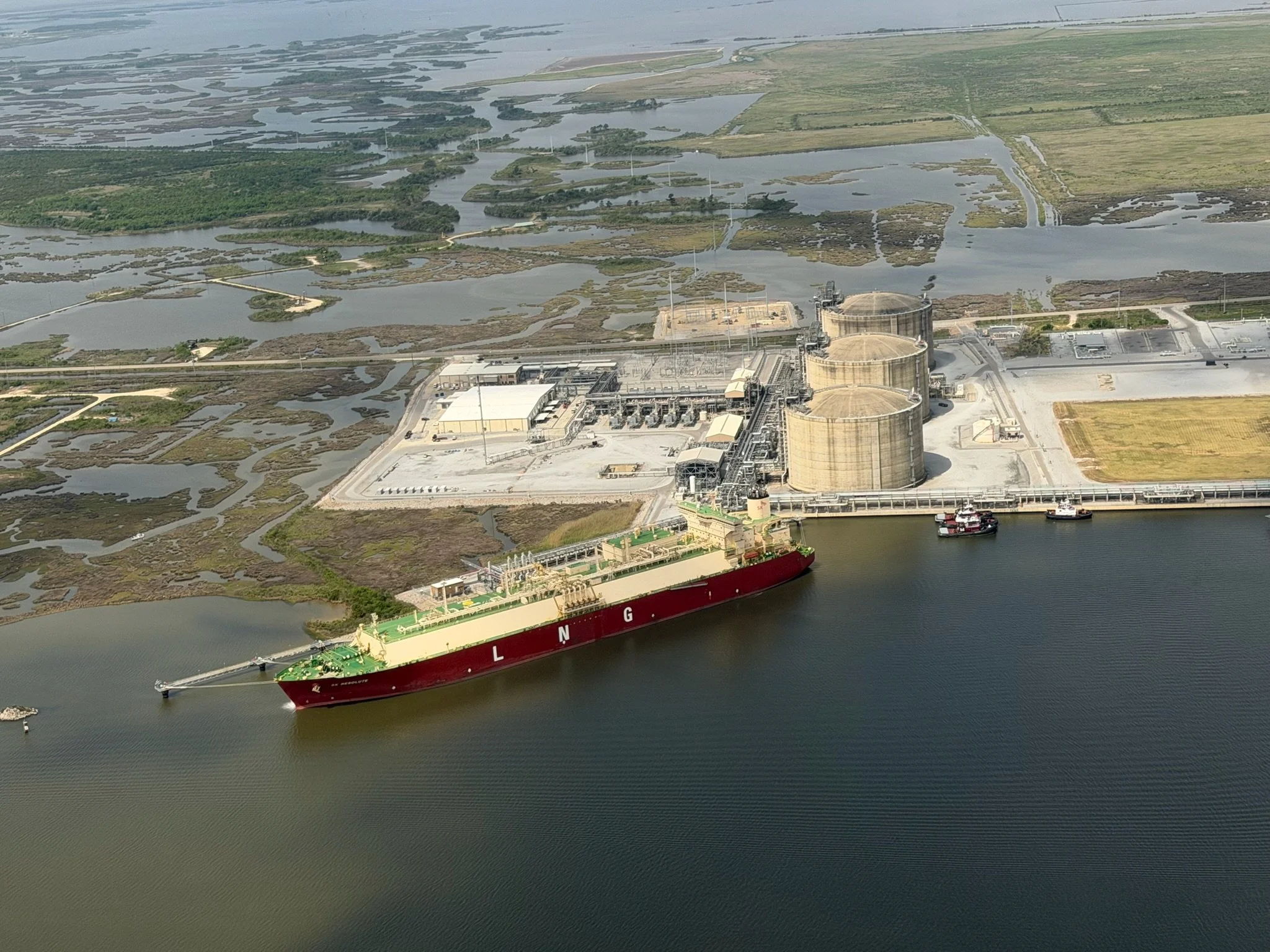
Exports
The largest buildout of fossil fuels in the world is taking place on the Gulf Coast, through exports.